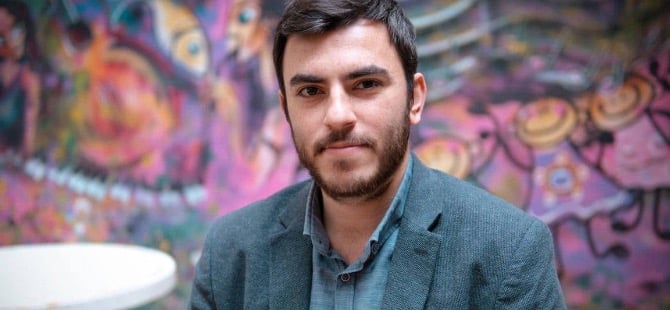
On Thursday (11 December), four people, including the well-known television journalist and media executive Mehmet Akif Ersoy, were arrested. Ersoy, arrested on allegations of drug use and prostitution, had previously served as editor-in-chief of Habertürk TV, a broadcaster regarded as a pro-government outlet. Ersoy called his arrest a “political operation”, which some politicians and journalists say may well be the case.
 |
| Turkish journalist arrested Turkish journalist arrested Turkish journalist arrested Turkish journalist arrested |
Prominent journalist and former Habertürk TV editor-in-chief Mehmet Akif Ersoy has been arrested as part of an ongoing drug investigation in Istanbul. Ersoy was among eight people detained on 9 December and was remanded in custody by a criminal court along with three others after prosecutors cited allegations of drug use and engaging in prostitution.
In his initial statement, Ersoy denied the allegations, describing his arrest as a “political operation” and accusing authorities of using the investigation for political purposes.
According to multiple reports, Ersoy’s drug test from the Forensic Medicine Institution registered positive for cocaine. Alongside him, several other suspects — including broadcaster Ela Rumeysa Cebeci, who was previously detained and later released under court supervision in connection with the investigation — also tested positive for various substances, including cocaine and marijuana.
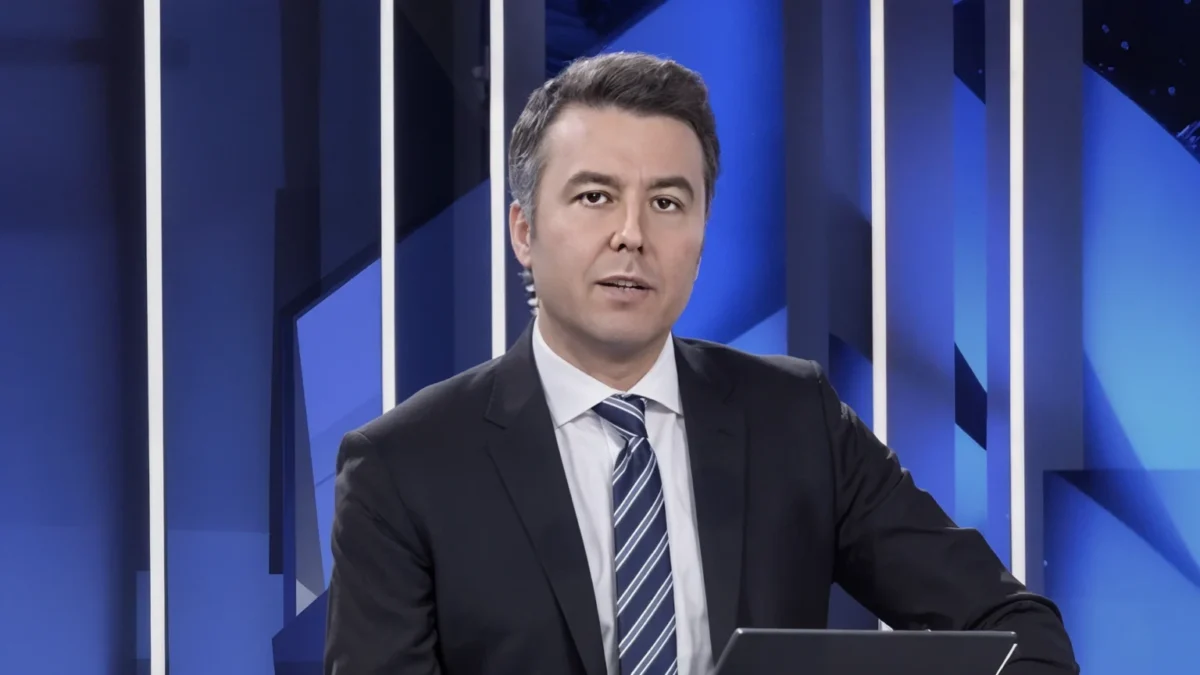
The arrest came as a surprise to many, as Ersoy was widely regarded as a pro-government journalist and commentator who was seen as unlikely to face detention. The decision also drew attention because, despite Turkey’s strict drug enforcement policies, first-time offenders accused of personal use are often released under court supervision rather than being remanded in custody.
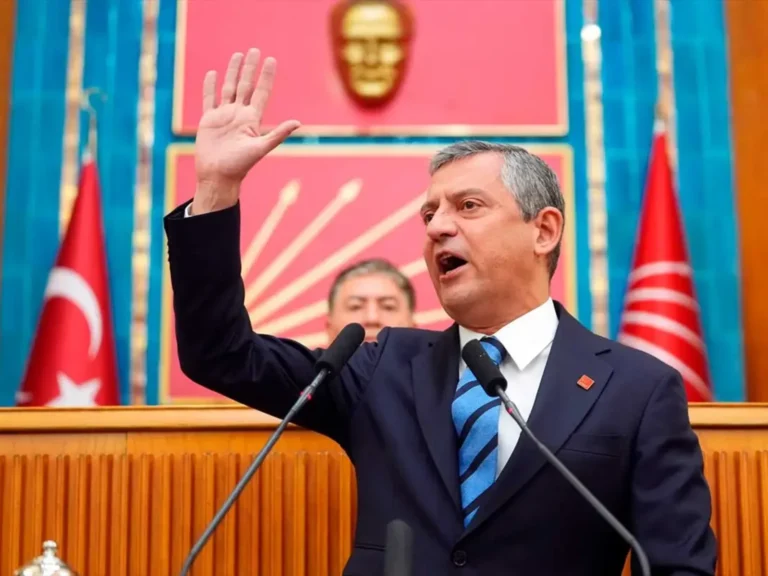
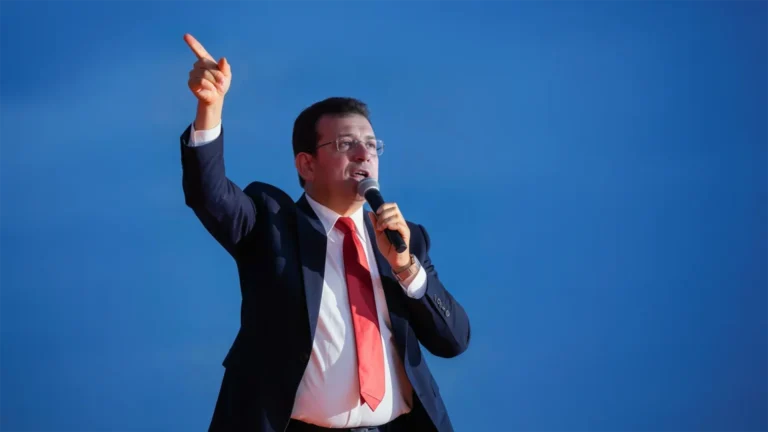
While arrests of journalists are common in Turkey, Opposition MP Ahmet Şık and Medyascope editor-in-chief Ruşen Çakır have described the case as part of a broader power struggle within media figures aligned with the governing Justice and Development Party (AKP).
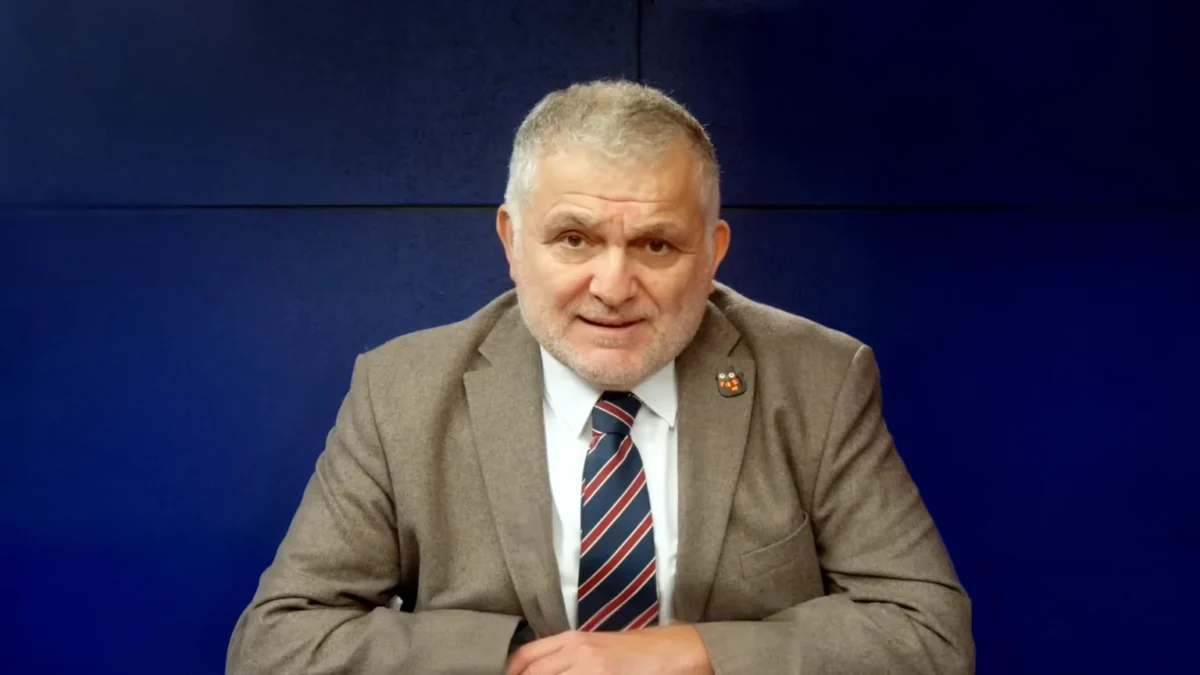
“Habertürk’s curse”
In a video commentary titled “Habertürk’s curse”, Ruşen Çakır, editor-in-chief of the independent news site Medyascope, examines the arrest of former Habertürk TV editor-in-chief Mehmet Akif Ersoy, placing it within Turkey’s wider media and political landscape.
Çakır explains that Habertürk is one of Turkey’s most recognisable news brands, founded in the late 1990s and later absorbed into a large media conglomerate during a period when much of Turkey’s mainstream press shifted towards outlets seen as close to the governing AKP. He argues that senior figures associated with Habertürk have, over the years, repeatedly been drawn into public scandals, legal disputes or political controversies, regardless of changes in ownership or management.

Turkey has a highly centralized justice system, where prosecutors wield significant discretion, and where criminal cases involving journalists are frequently interpreted through a political lens. He argues that Ersoy’s detention has surprised many precisely because he was widely regarded as a pro-government journalist and commentator, a position that has often been assumed to offer a degree of informal protection.
Çakır further suggests that the case may reflect internal rivalries and power struggles within pro-government media circles, rather than a confrontation between the state and opposition journalism. He points to long-standing tensions between media owners, editors and political actors competing for influence and favour, warning that such alliances can shift rapidly.
Concluding his analysis, Çakır argues that what he describes as Habertürk’s “curse” is less about chance than about proximity to political power. He says the Ersoy case illustrates how media figures operating close to the government can quickly find themselves exposed when political balances change, reinforcing the precarious nature of journalism in Turkey’s current environment.
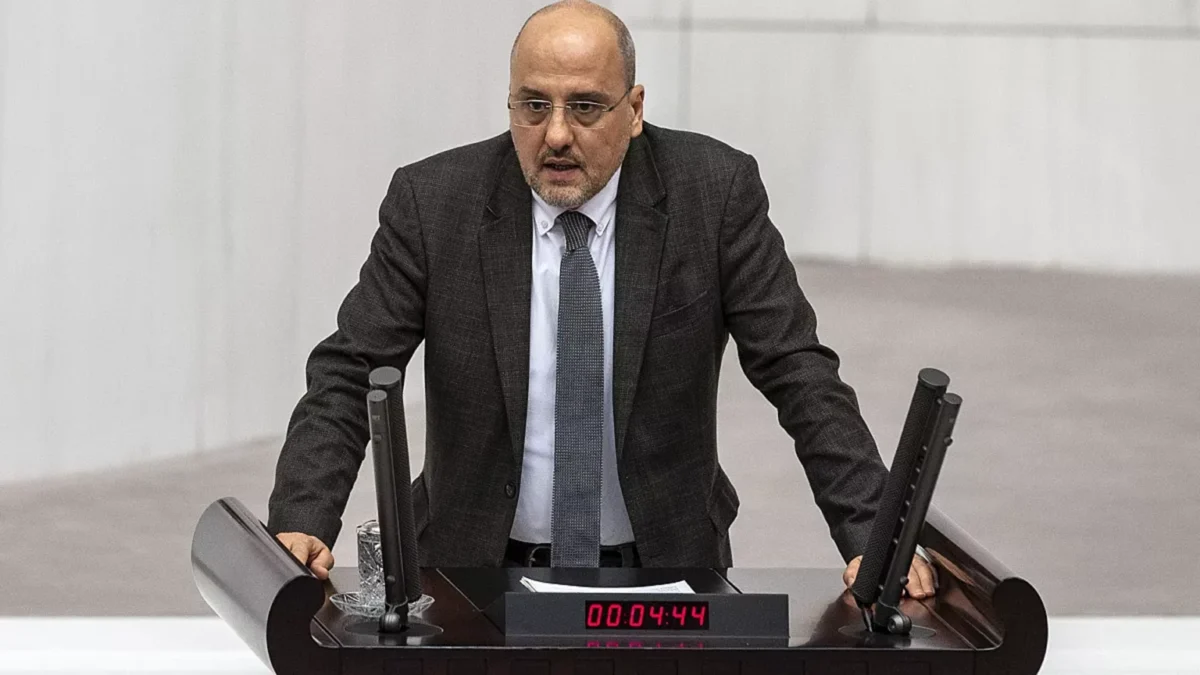
“Throne wars”
In a two-part piece written for Medyascope, opposition MP and investigative journalist Ahmet Şık argues that the arrest of journalist Mehmet Akif Ersoy is best understood not as an isolated criminal case, but as a symptom of escalating internal power struggles within Turkey’s pro-government political and media ecosystem.
Şık situates the case within what he describes as intensifying “throne wars” among factions aligned with the ruling Justice and Development Party (AKP). Over the past decade, much of Turkey’s mainstream media has been absorbed by business groups close to the government, creating a landscape where senior editors and commentators often function as political actors as much as journalists. According to Şık, Ersoy was part of this system — a visible, loyal figure who benefited from proximity to power but was also exposed to its risks.
In the first part of his analysis, Şık argues that Ersoy’s arrest reflects a broader process in which media figures are being re-sorted as political alliances shift. He suggests that Ersoy may have lost protection amid rivalries between media owners, political operatives and state security-linked networks competing for influence over the AKP’s messaging and access to state resources. In this reading, the drug investigation becomes not merely a law-enforcement action but a mechanism through which internal disputes are resolved.
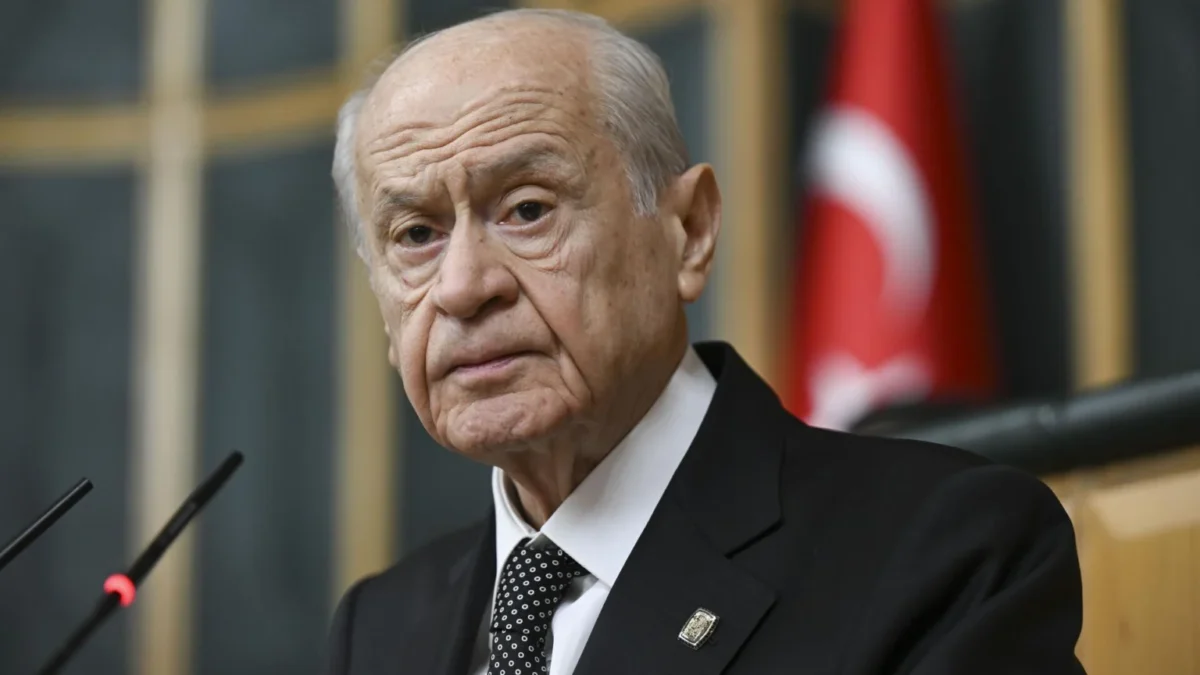
Şık also argues that the case also matters substantially to the Nationalist Movement Party (MHP), the AKP’s coalition partner since 2018. Şık argues that the MHP has significantly expanded its leverage over the state security bureaucracy, judiciary and law-enforcement institutions, altering the balance of power within the governing alliance. He suggests that some pro-AKP media figures and networks are increasingly at odds with MHP-aligned circles, particularly over influence, patronage and ideological direction. Ersoy was widely regarded as part of Turkey’s pro-government media ecosystem, broadly aligned with the AKP rather than the nationalist MHP, but without the factional backing that might have insulated him as internal rivalries intensified.
Şık states that Turkey’s justice system operates within a highly politicised environment, where criminal investigations can overlap with factional competition inside the ruling bloc. He stresses that Ersoy’s case does not resemble the more familiar pattern of legal pressure on opposition journalists, but instead illustrates how conflict within the pro-government camp can also result in sudden legal exposure.
Additionally, Şık highlights the symbolic dimension of Ersoy’s apparent isolation following his arrest. Unlike past cases involving journalists aligned with the government, Ersoy has received little public defence from political figures or major media outlets, a silence Şık interprets as evidence that internal alignments have shifted decisively against him.
Şık argues that the Ersoy affair reveals the fragility of informal protections in Turkey’s media system. He suggests that loyalty and ideological alignment no longer guarantee safety, as internal rivalries sharpen and the governing coalition itself becomes more fragmented. In this sense, the case serves as a warning not only to opposition voices, but also to journalists operating close to power.