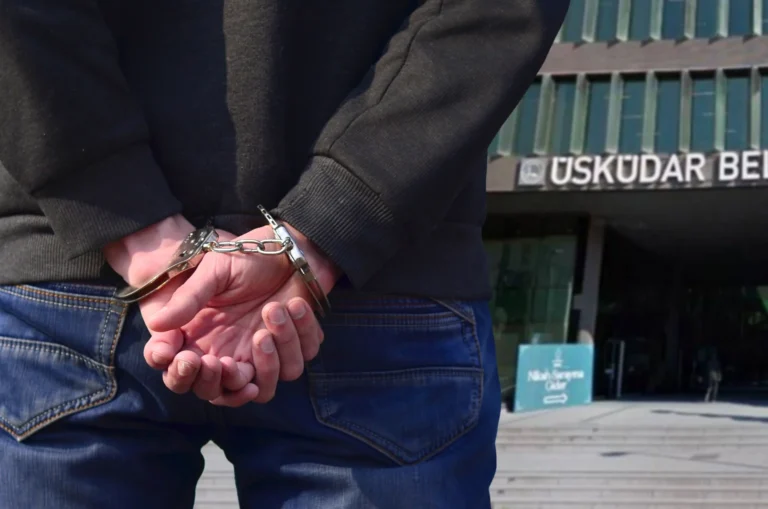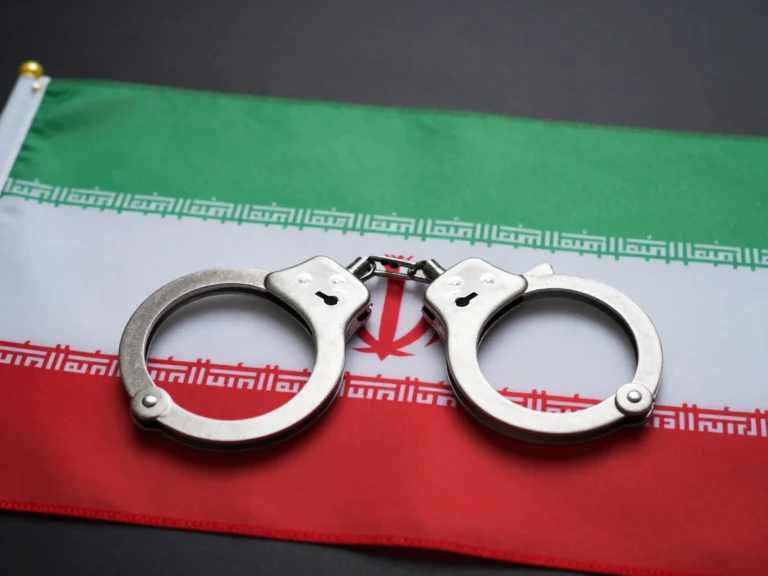
Turkish-American businessman and Fenerbahçe Sports Club president Sadettin Saran was detained on Wednesday (24 December) on allegations of “facilitating and supplying the use of narcotic substances.” Mr Saran, who has argued that his detention was politically motivated, was later released under judicial control.
 |
| Turkey’s drug busts: Fenerbahçe president released Turkey’s drug busts: Fenerbahçe president released Turkey’s drug busts: Fenerbahçe president released |
Mr Saran, who was elected Fenerbahçe’s president in September, was taken into custody as part of a broader narcotics investigation that has seen a number of high-profile journalists, broadcasters and other celebrities detained or arrested. A prominent public figure in Turkey, he heads one of the country’s most popular football clubs and is also a media and sports executive with extensive business interests. His detention comes amid a widening probe by Istanbul prosecutors that has drawn intense public and political scrutiny.
The Istanbul Chief Public Prosecutor’s Office announced that tests conducted as part of the investigation showed Mr Saran’s hair sample had returned a positive result for narcotics, while blood, urine and nail samples tested negative. DHA News Agency reported that cocaine was detected in the hair analysis and that the findings were forwarded to prosecutors.
Mr Saran rejected the results, describing the case as a “smear campaign.” He said he had never used cocaine and announced that he would undergo further testing at internationally accredited independent laboratories, with the results to be made public. Released under judicial control following his statement at Istanbul’s Çağlayan Courthouse, Mr Saran is required to report to a police station twice a week.
Former Turkish Football Federation officials questioned
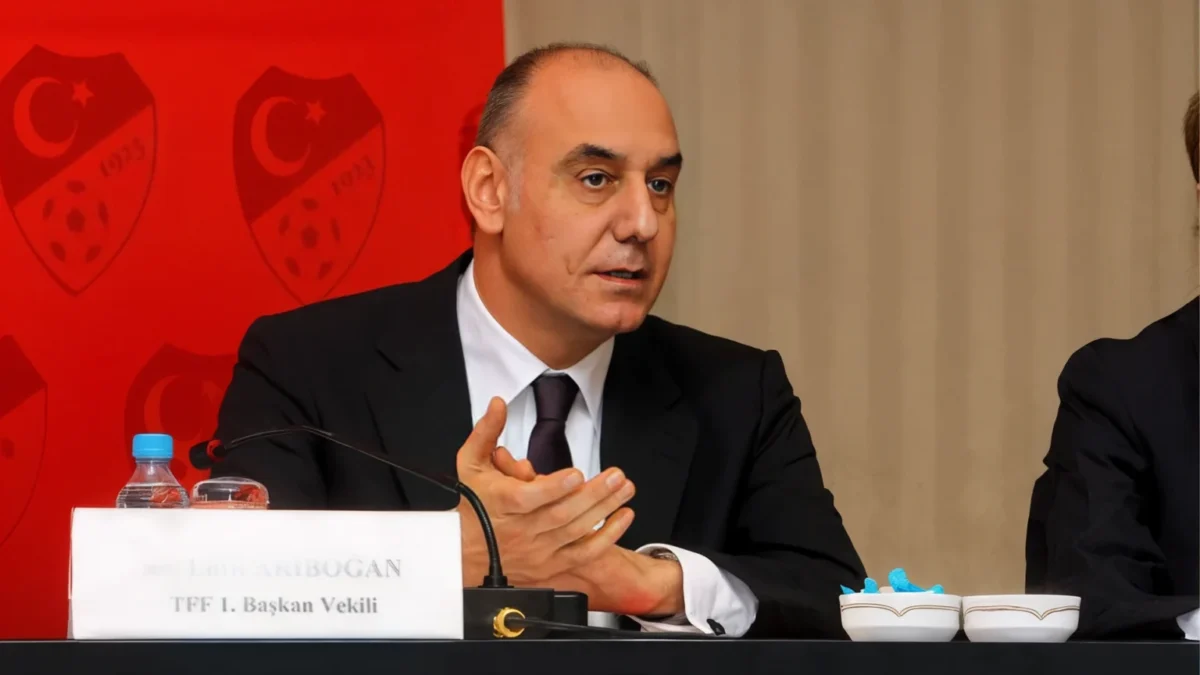
Prosecutors have also sought statements from several figures previously involved in Turkish football administration, including Lütfi Arıboğan, a former acting president of the Turkish Football Federation, as well as Ahmet Gülüm, İlhan Helvacı and Ebru Köksal. The four have not been detained and were questioned as part of a separate file linked to the controversial 2011 match-fixing investigation. The four were summoned to give statements and have not been detained.
Football and politics in Turkey
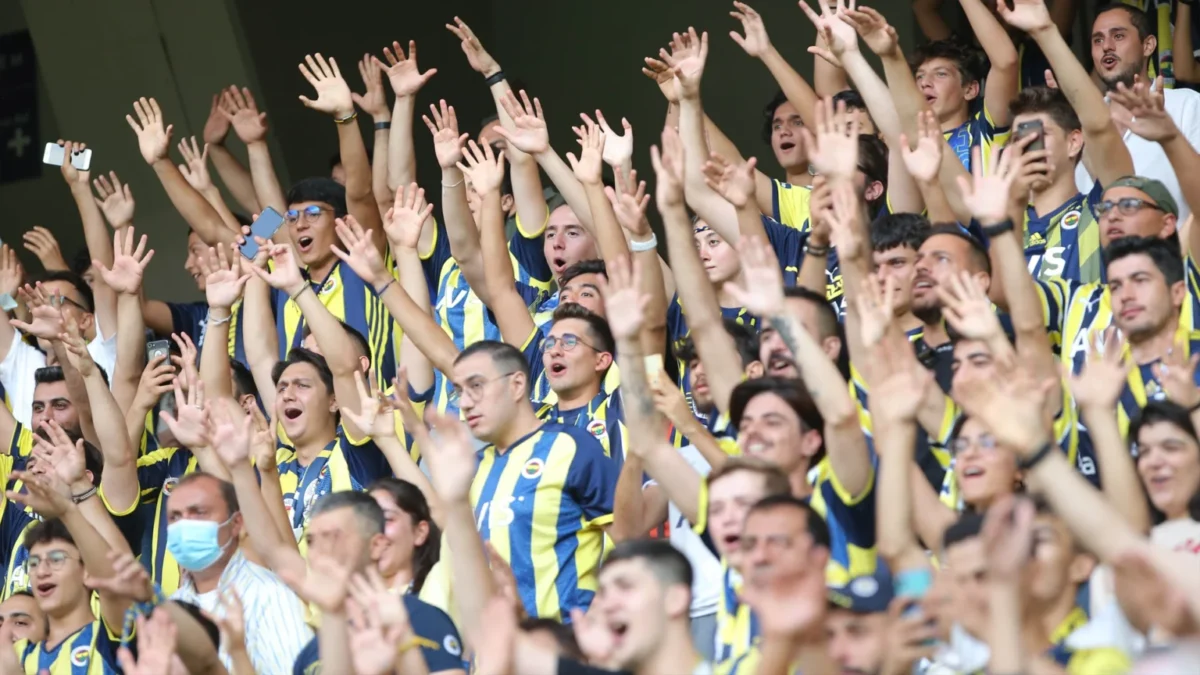
Football and politics in Turkey are deeply intertwined. The relationship is not explicit, but structural, cultural and institutional. Football clubs — particularly major ones such as Fenerbahçe, Galatasaray and Beşiktaş — command audiences larger than any one political party, with tens of millions identifying with a club. This scale gives football a unique form of social legitimacy that inevitably spills into the political arena.
Fenerbahçe — and by extension Mr Saran — occupies a particularly distinctive position within this landscape. Historically associated with a secular, urban, middle-class identity, the club is often framed as anti-establishment or at least outside direct state favour. Its supporters have at times been openly political. As a result, legal cases involving Fenerbahçe figures are almost instantly interpreted through a political lens, and club presidents are scrutinised as political actors even when they hold no formal political office.
While the club’s previous president, Ali Koç, was widely seen as carefully balancing his public profile between sport and politics, Mr Saran’s remarks on the right to protest have placed him in a more oppositional light, despite his never having declared support for any political party.
In early 2023, chants of “Government, resign” — a slogan with a long history in Turkish protest culture — were heard at several Fenerbahçe matches. As these chants drew sharp criticism from pro-government figures, Mr Saran responded in an Instagram video, stating: “In a democracy, people who support the government and people who call for the government to resign should be respected in the same way.” The remarks contributed to a perception among some observers that Mr Saran was rhetorically closer to the opposition.
A wider trend of celebrity drug investigations
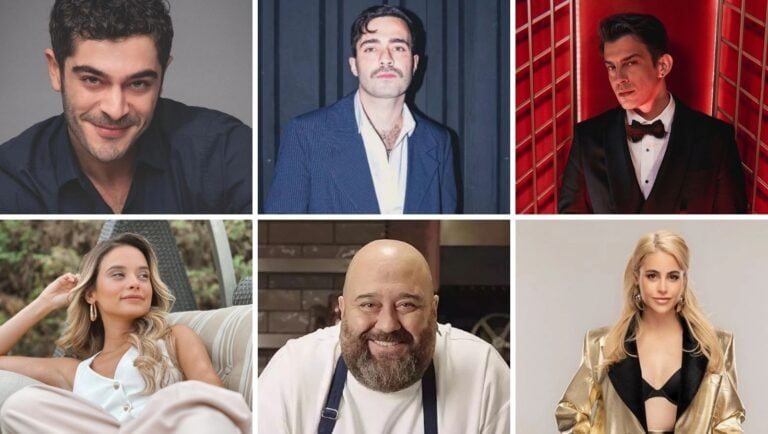
Istanbul prosecutors have been running a broad narcotics investigation targeting high-profile figures in entertainment, media and social media. The probe began around October with summonses for questioning and the collection of blood and hair samples, before expanding into detentions and search operations.
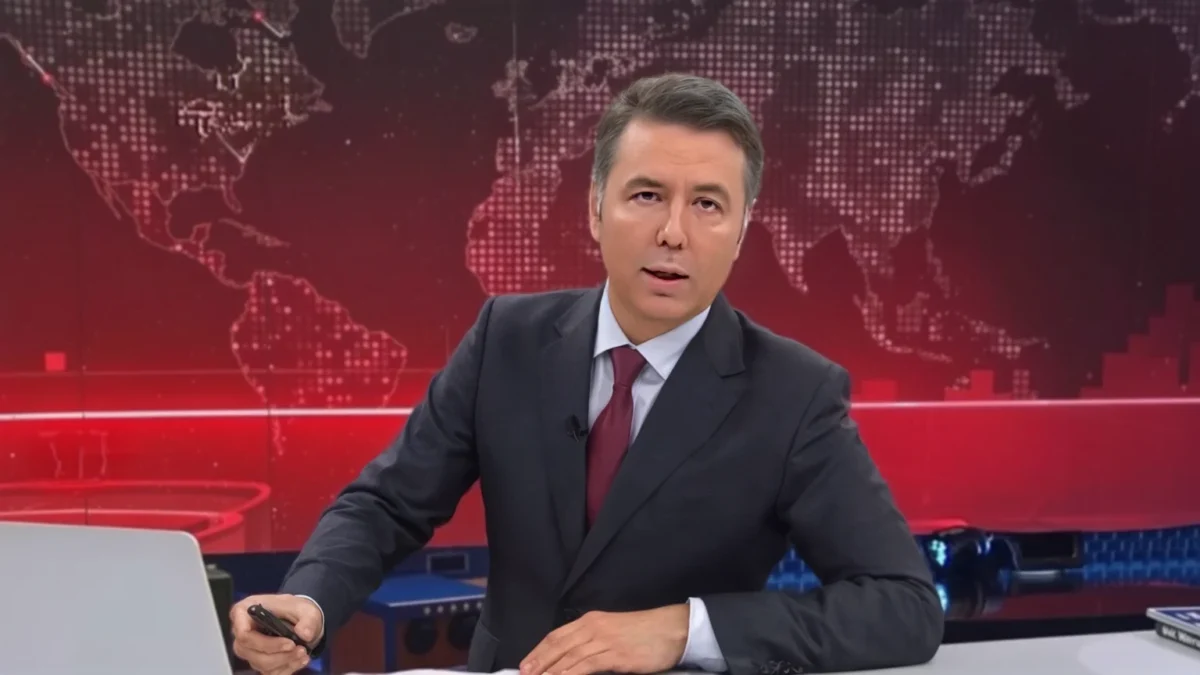
The investigation has drawn attention in part because it has not been limited to figures perceived as politically or culturally oppositional. Mehmet Akif Ersoy, a television presenter and journalist widely regarded as pro-government and known for his work on state broadcaster TRT Haber, was among the media figures whose name surfaced in connection with the inquiry, with prosecutors seeking statements as part of the broader file. His inclusion has complicated claims that the operation is politically selective, although some opposition figures argue that the scrutiny reflects shifting power dynamics within the ruling coalition rather than neutrality in enforcement.