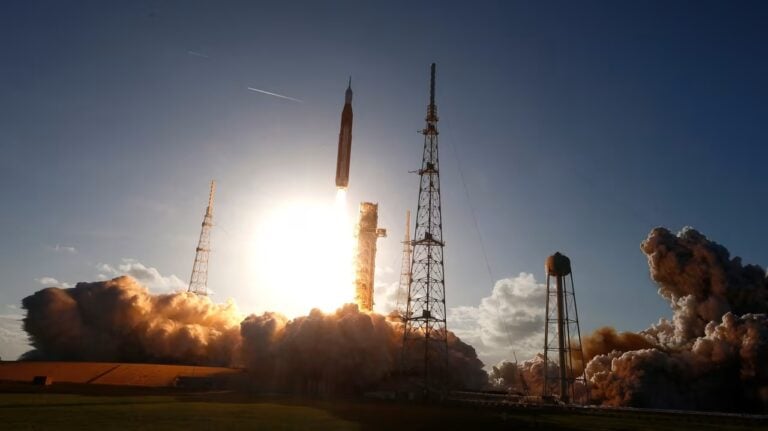
Turkey says it plans to build a spaceport in Somalia, a move that could deepen its ties with the African nation while advancing its ambitions for independent access to space.
 |
| Turkey to build spaceport in Somalia_1 Turkey to build spaceport in Somalia_1 |
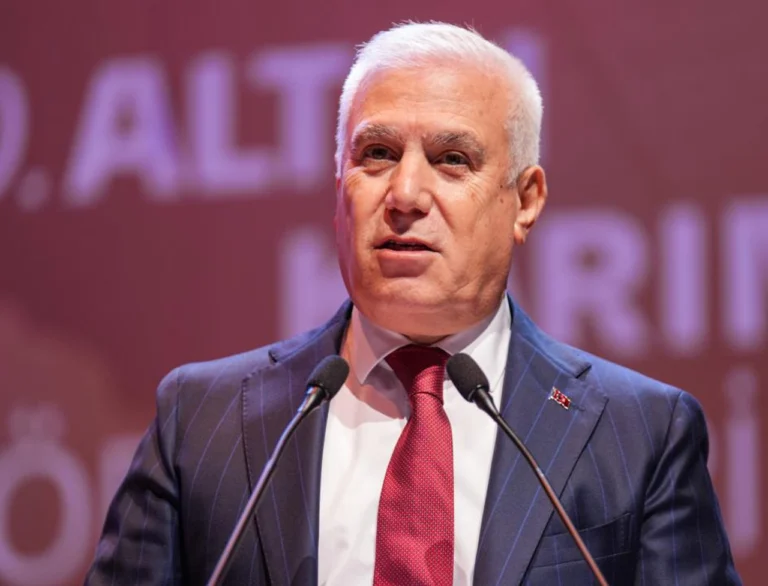
President Recep Tayyip Erdoğan announced the plan on Tuesday after meeting Somali President Hassan Sheikh Mohamud in Istanbul. Speaking at a joint press conference, he said agreements signed between the two countries marked a new phase in bilateral cooperation.
Erdoğan said the agreements included plans to establish a spaceport in Somalia, adding that the first phase of the three-stage project had been designed and that construction was already under way. The project is being overseen by Turkey’s space agency.

Turkey established the Turkish Space Agency (TUA) in 2018 with the stated aim of reducing dependence on foreign aerospace technology and increasing its international competitiveness. While Turkey has not yet carried out launches using an indigenous launch vehicle, it has placed several satellites into orbit aboard foreign rockets. In early 2024, Turkish astronaut Alper Gezeravcı flew to the International Space Station on a mission conducted with international partners.
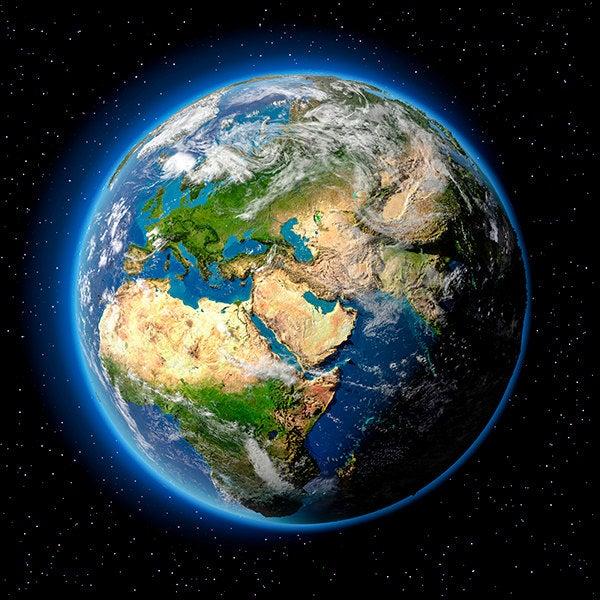
Somalia’s location could offer technical advantages for space launches. Parts of the country lie close to the equator, where rockets can take advantage of the Earth’s faster rotational speed, reducing fuel requirements or allowing heavier payloads to be carried. The region’s relatively stable weather could also enable launches throughout the year.

Politically, the project is likely to be seen as part of Turkey’s broader effort to expand its influence in East Africa. Somalia already hosts Turkey’s only overseas military base, Camp TURKSOM, which Ankara says plays a role in training Somali forces and supporting regional stability.

Offshore drilling off the Somali coast
The two countries also said Turkey could begin offshore deepwater drilling in Somali waters as early as next month. Unverified statements from Somali officials suggest the country’s offshore reserves could hold up to 30 billion barrels of oil-equivalent hydrocarbons.
The deal could prove significant for Turkey, which is the world’s 15th-largest consumer of natural gas and 22nd-largest consumer of oil, and could help reduce its dependence on Russian energy imports — a long-standing point of friction between Ankara and its Western partners.