Several Turkish municipal officials from the main opposition Republican People’s Party (CHP) remain in custody nearly ten months after being detained in a controversial probe into what prosecutors have labelled the “Kent Uzlaşısı” (Municipal Accord), despite no indictment having been filed.
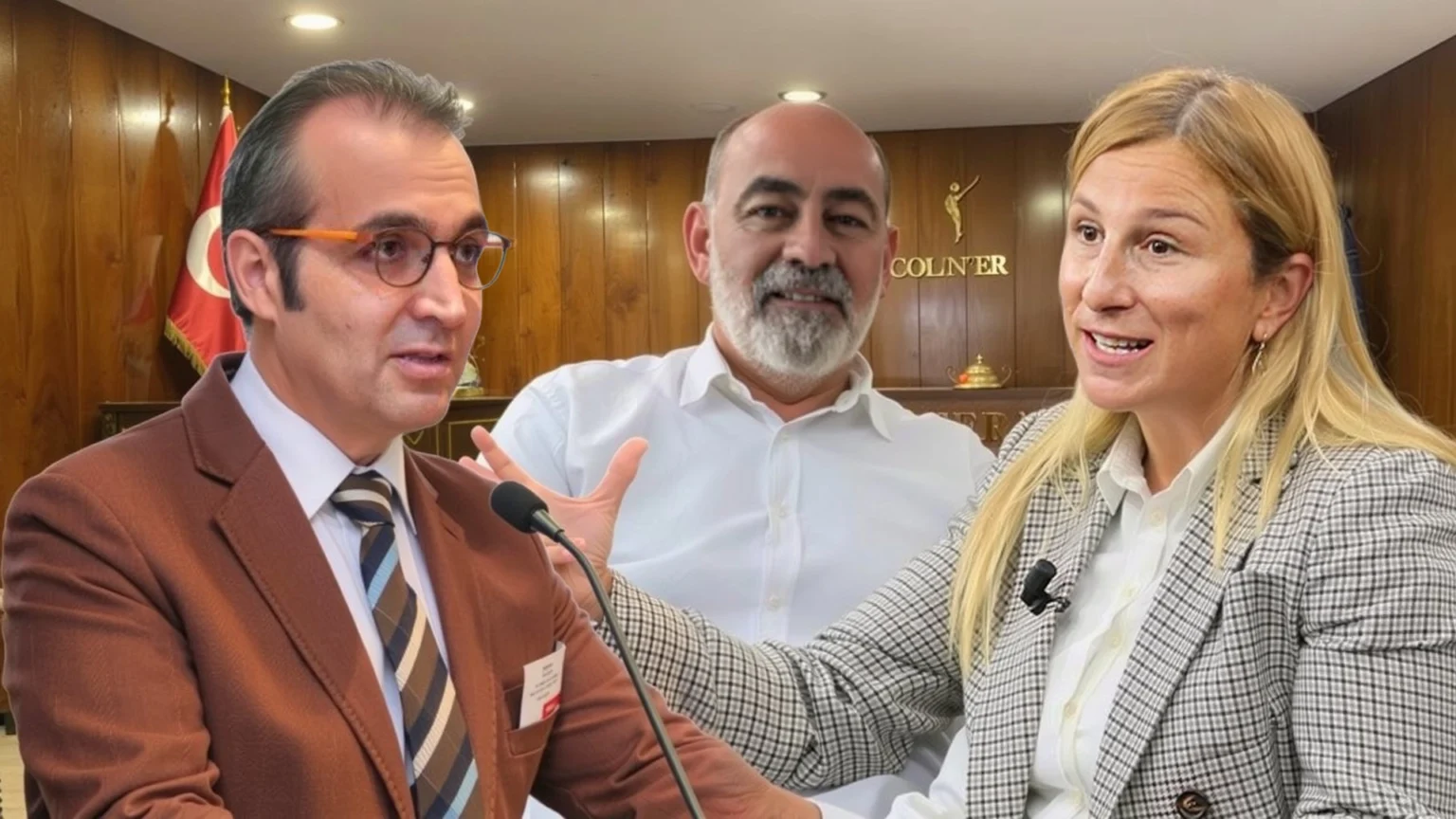 |
| Turkish opposition figures remain after 10 months Turkish opposition figures remain after 10 months |
The investigation stems from local elections held in March 2024, in which the CHP made significant gains in major cities, including Istanbul. Turkish prosecutors have characterised the Municipal Accord — a strategic electoral cooperation between the CHP and the smaller, pro-Kurdish DEM Party — as an arrangement that allegedly sought to expand the influence of the outlawed Kurdistan Workers’ Party (PKK) in metropolitan areas. The case has been pursued under Turkey’s anti-terror legislation.
Turkey’s anti-terror laws are broadly framed and have long been criticised by domestic and international rights groups for being used against political opponents. Under these statutes, association or communication with individuals suspected of links to outlawed organisations can be prosecuted even in the absence of evidence of violent activity — a central point of contention in this case.
The Municipal Accord refers to informal electoral agreements under which the DEM Party refrained from fielding candidates in certain municipalities in order to improve the CHP’s chances of winning local offices.
On 23 March 2025, police detained several figures linked to Istanbul’s municipal administration and affiliated civic institutions, including Resul Emrah Şahan, the mayor of Şişli — a central district of Istanbul — Mehmet Ali Çalışkan, the director of the Reform Institute think tank, and Ebru Özdemir, the deputy mayor of Şişli. Prosecutors allege that the suspects provided what they describe as “assistance to a terrorist organisation”, a serious charge under Turkish criminal law that is frequently invoked in politically sensitive cases. As part of their evidence, authorities have cited phone calls and other forms of communication with figures associated with pro-Kurdish political movements, including contacts involving individuals linked to the Peoples’ Democratic Party (HDP) and its successor, the DEM Party, which has assumed the HDP’s political role amid prolonged closure proceedings.
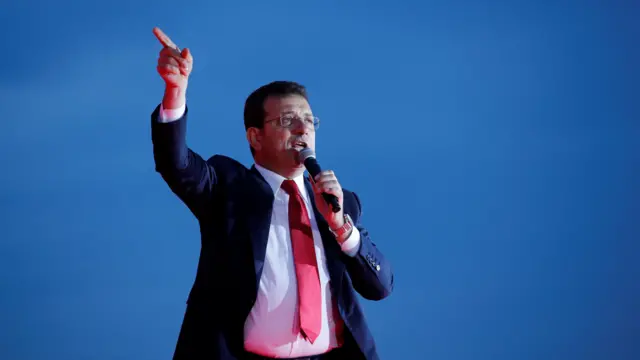
The same investigation also led to the detention of Mahir Polat, a deputy secretary-general of the Istanbul Metropolitan Municipality (İBB), who was later released to house arrest on health grounds after being hospitalised. Istanbul’s mayor, Ekrem İmamoğlu — one of the CHP’s most prominent figures and widely seen as a potential presidential candidate in 2028 — is also formally under investigation in connection with the case but has not been detained. He has consistently denied any wrongdoing.
No indictment filed in ten months
Despite the investigation entering its tenth month, no indictment has yet been issued. Under Turkish law, prosecutors are generally expected to prepare an indictment — the formal document that initiates a criminal trial — within a reasonable timeframe. Defence lawyers argue that a ten-month delay without formal charges is legally unacceptable and undermines the defendants’ rights.
Court records show that judges have repeatedly extended detention orders, citing the need for further evidence gathering. The case file remains subject to a confidentiality order, limiting public scrutiny and restricting the defence’s access to materials. Lawyers representing Şahan have called on prosecutors to either file an indictment without further delay or release those in custody, arguing that prolonged detention without charges violates legal norms.
In a related development, Ahmet Özer, the former mayor of Esenyurt — another district of Istanbul — was recently sentenced to six years and three months in prison in a separate Municipal Accord-related case, a ruling that has drawn criticism from opposition figures and government critics alike.
Story by Furkan Karabay
Translated and edited by Medyascope English Newsroom