ISTANBUL (Medyascope) – As Iran and the United States conclude the third round of nuclear negotiations in Geneva and prepare for a fourth round of technical talks, key disagreements remain unresolved. According to experts, the biggest sticking point is still uranium enrichment.
By GOLTANE GHAZI Medyascope
Alex Vatanka, Director of the Iran Program at the Middle East Institute in Washington, says Tehran is not prepared to bring its missile program to the negotiating table. According to Vatanka, Iran views its ballistic missiles as the “core deterrent” and considers them non-negotiable. At least in the initial phase, issues such as missiles and regional influence are unlikely to be addressed.
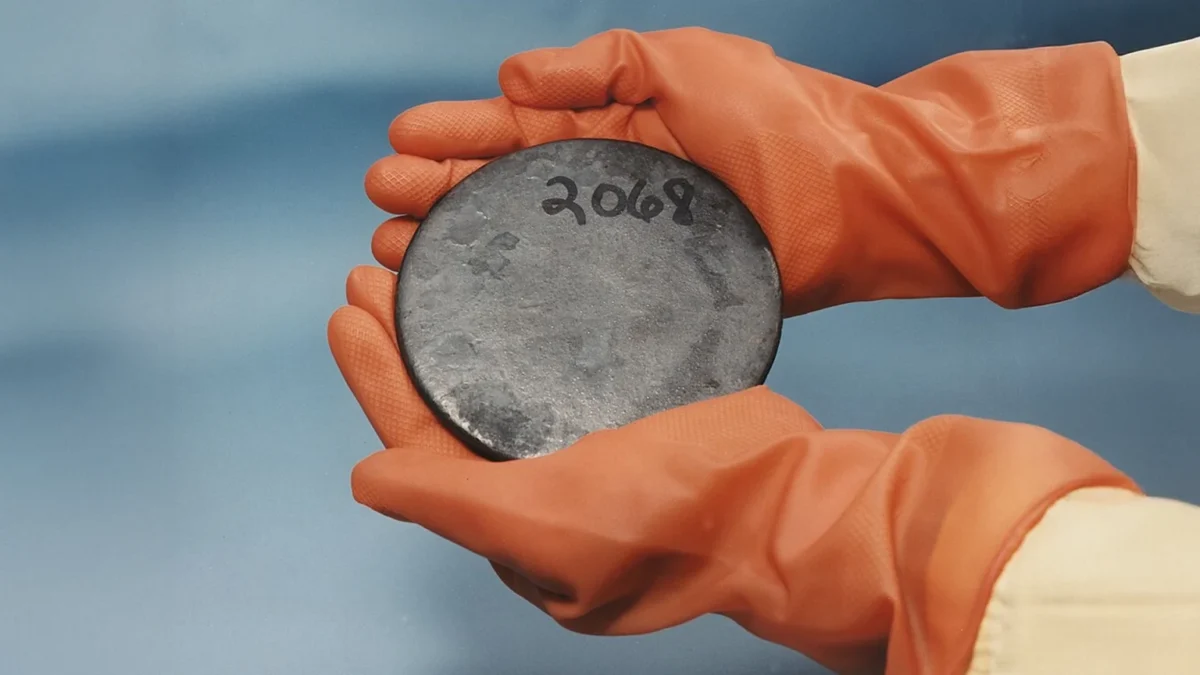
Similarly, Behnam Ben Taleblu, Senior Director of the Iran Program at the Foundation for Defense of Democracies (FDD), stresses that domestic uranium enrichment remains the central obstacle. In his view, the issue continues to be a “zero-sum” game. While Washington seeks permanent limits on enrichment, Tehran frames it as a matter of sovereignty.
Uranium enrichment as the main obstacle
Experts say the dispute extends beyond enrichment levels. While Iran’s current stockpile of highly enriched uranium remains a critical issue, the International Atomic Energy Agency’s (IAEA) re-entry of the into Iran with full access — and Tehran’s return to previously agreed safeguards and international obligations — remains a major point of contention.
Another debated topic is whether non-nuclear issues — particularly ballistic missiles and regional activities — should be included in the agreement. Signals from the U.S. side have been mixed, while Tehran insists these topics fall outside the scope of the talks.
“Failure increases the risk of miscalculation”
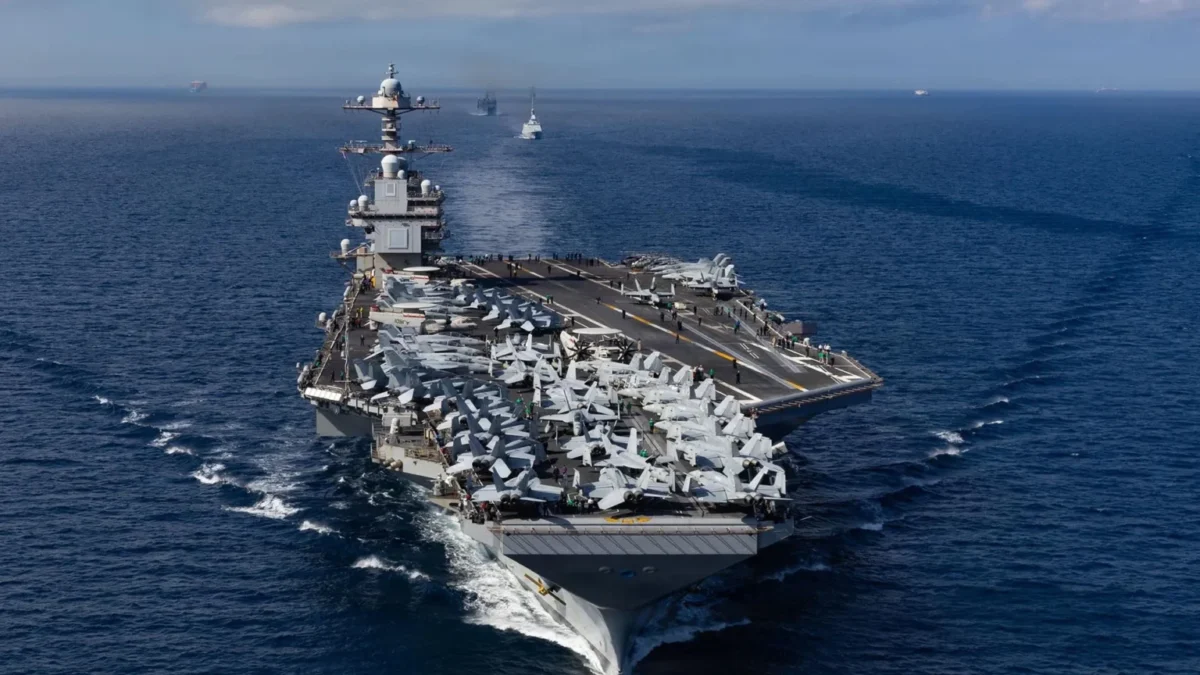
Should the negotiations collapse, experts warn that risk of a conflict could escalate rapidly. Military deployments in the region combined with increasingly harsh rhetoric raise the possibility of miscalculation.
According to Vatanka, neither side wants war, but both face mounting internal and external pressures. Iran is grappling with economic and social fragility at home. The United States, meanwhile, could confront rising regional instability and a renewed cycle of escalation.
What If the U.S. Strikes?
Iranian officials have signaled that any U.S. strike would be met with a “large and regional” response. However, analysts caution that this strategy — intended as deterrence — could backfire.
Taleblu argues that if Tehran widens the conflict, bloodshed would likely follow, potentially drawing the U.S. president directly into a broader confrontation. In this sense, what Iran sees as deterrence could become a pathway to unintended escalation.
Domestic fragility
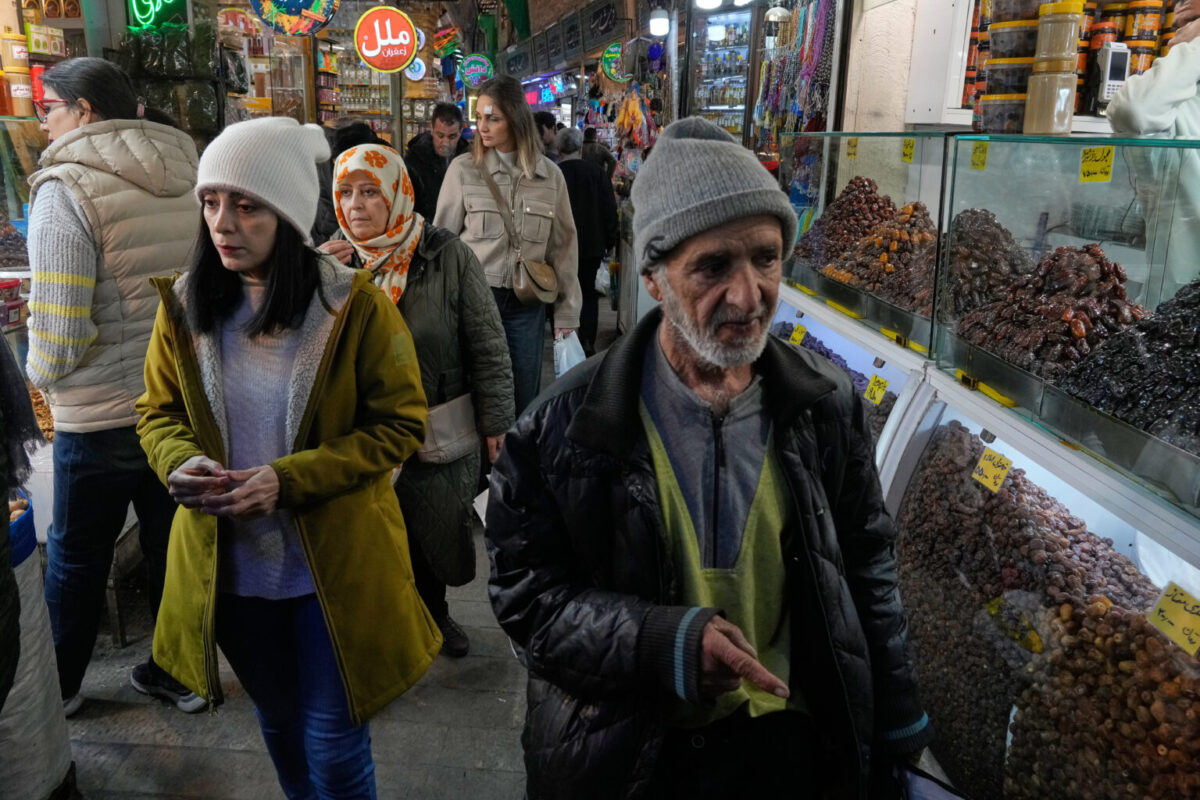
The prospect of war could also affect Iran’s internal political landscape. Harsh crackdowns in Kurdish areas have raised questions about whether renewed conflict might embolden opposition movements.
At the same time, regime elites continue to emphasize internal cohesion. Analysts note that the nationwide crackdown was not limited to ethnic minorities but extended across urban and rural centers alike. While repression may have intensified public anger, it may also have fostered a broader sense of unity among those opposing the government.
Is an agreement possible?
Taleblu remains skeptical. In his view, the current political climate offers limited space for a comprehensive and durable deal. Following widespread protests and violent repression, the political cost in Washington of signing an agreement with Tehran could be significant.
As technical talks continue in Geneva, the fundamental question remains unanswered: Can the two sides find common ground without crossing their respective red lines on enrichment?
For now, diplomacy is still alive — but the risks have not disappeared.