Main opposition leader and presidential candidate Kemal Kılıçldaroğlu released a video on Wednesday evening (April 19) that addressed young Turkish voters and discussed his identity as a member of Turkey’s Alevi religious minority group. Alevis are estimated to make up some 10-20% of Turkey’s population, and while Kılıçdaroğlu’s Alevi identity is widely known, the opposition leader has rarely discussed the topic openly and chosen not to emphasize it throughout his political career.
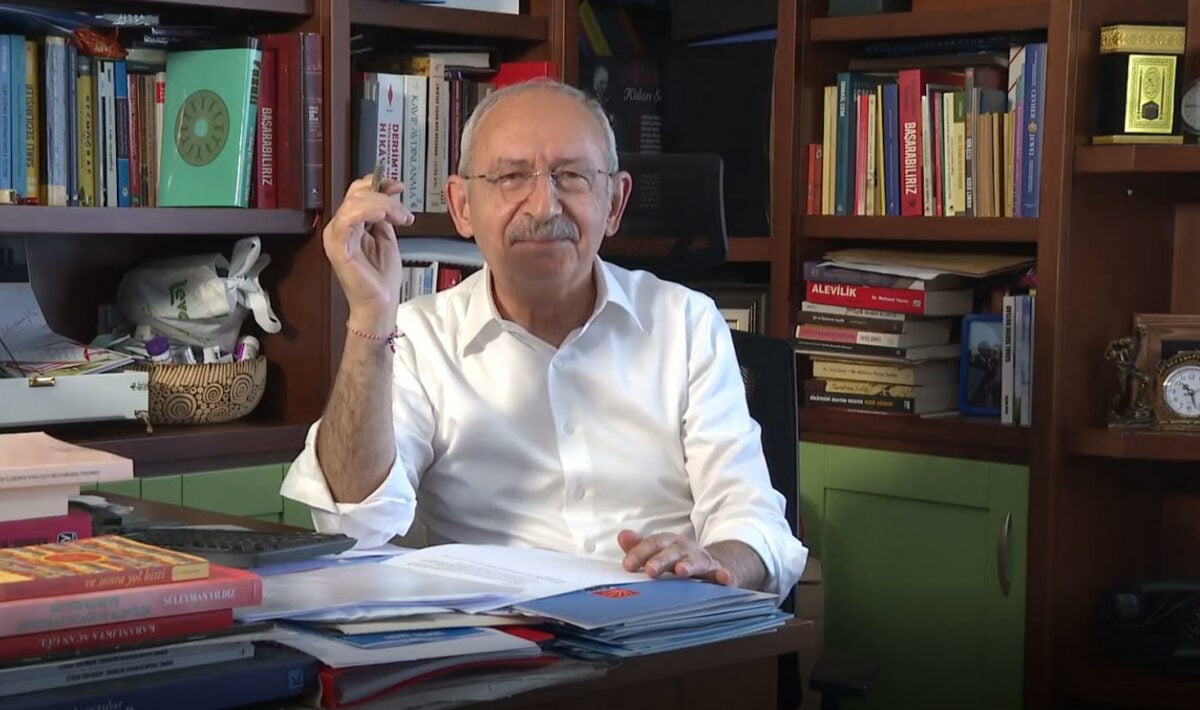
In his video message to Turkish youth who will vote for the first time this spring, Kılıçdaroğlu said: “This evening, the time has come for us to discuss a special and sensitive topic…To my dear youth who are preparing to vote for the first time: I am Alevi, and a sincere Muslim, who was brought up with the belief in Hak-Muhammed-Ali.”
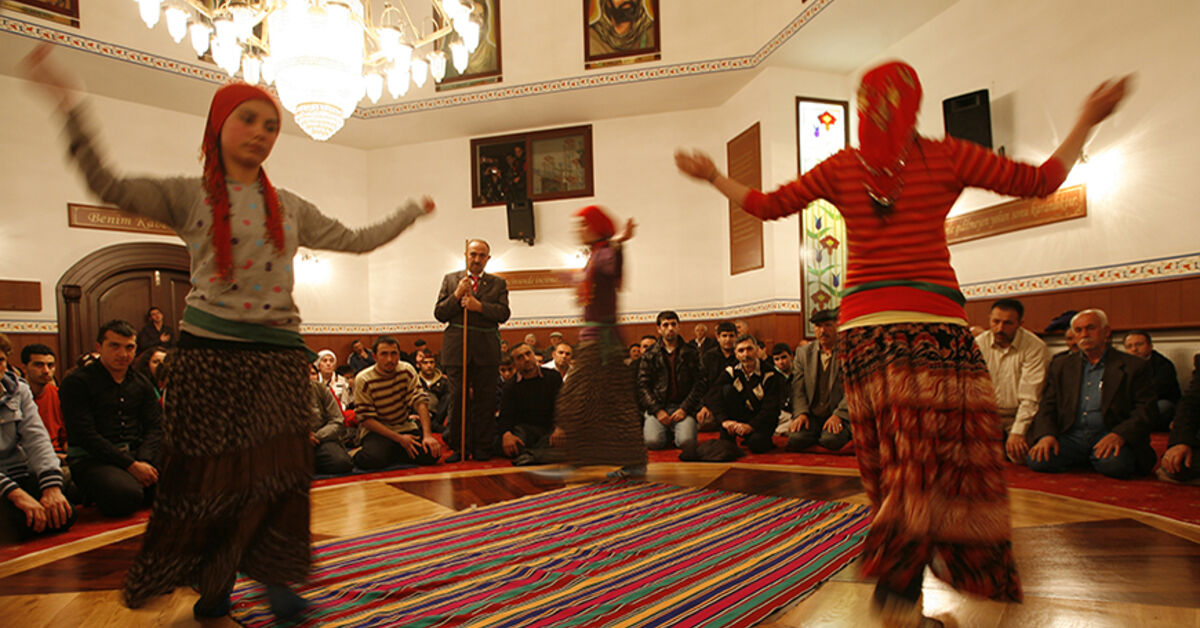
The sensitivity surrounding Kılıçdaroğlu’s Alevism can be explained by several factors. As a minority group, Alevis have experienced persecution throughout various points in Turkish history. Members of the Alevi community tend to be more secular than Turkey’s Sunni Muslim majority, and are often supporters of Turkey’s founding father Mustafa Kemal Atatürk and Kılıçdaroğlu’s Republican People’s Party (CHP). Alcohol is not strictly prohibited in the Alevi tradition, and Alevi women do not wear head scarfs. Containing both ethnic Turkish and Kurdish members, Turkey’s Alevis have historically enjoyed poor relations with both the country’s ultranationalist and Islamist elements. The Kahramanmaraş massacre carried out in 1978 by the ultranationalist Grey Wolves paramilitary group and the Sivas massacre carried out in 1993 by Islamists, both of which targeted and killed Alevi citizens, are just two examples of this. Furthermore, Turkey’s system of laicism in which religions are controlled by the state under the Ministry of Religion (Diyanet) classifies all of Turkey’s Muslim minority groups, regardless of sect, simply as ‘Muslim’. The system has been criticized for perpetuating the country’s Sunni Muslim hegemony and limited government funding for non-Sunni congregations. Alevi places of worship (Cemevi), for example, are responsible for paying their own utility bills, while those of Sunni mosques are covered by the state.
Against this sensitive political and historical backdrop, Kılıçdaroğlu has seldom mentioned his religious identity. On the other hand, political foes of Kılıçdaroğlu and analysts alike have been eager to bring up the topic over the years, which made Wednesday evening’s video feel as if the opposition leader was finally addressing the elephant in the room. Prior to his official presidential nomination, questions over whether Turkey was capable of electing an Alevi leader played a role in general concerns over Kılıçdaroğlu’s electability. His current Table of Six electoral alliance includes both nationalist and Islamist parties, the support of whom is important for Kılıçdaroğlu’s potential victory.
The message took pointed aim at the notion that an Alevi candidate couldn’t, or shouldn’t, lead Turkey. Encouraging Turkey’s first-time voters to focus on shared goals instead of identity politics, Kılıçdaroğlu said: “From now on let’s not discuss our identities. Let’s discuss our successes. From now on let’s not discuss our differences and factionalism but instead our commonalities and shared dreams. Will you join us in this change? Will you stand with me in making these changes? To a system that says ‘no Alevis’, will you say ‘yes’ to someone who is honest, true, and moral? Are you ready to tear down this divisive system from its roots?”
Longtime CHP leader Kemal Kılıçdaroğlu will stand as the main opposition coalition’s joint presidential candidate against incumbent President Recep Tayyip Erdoğan on May 14. The election has been billed as among the most consequential in Turkey’s modern history, and is likely to present the greatest challenge yet to Erdoğan’s 20-year rule. Should no candidate succeed in winning 50% of the vote, the contest will proceed to a second-round run off in late May.