ISTANBUL (Medyascope) – The Iranian government is intensifying a domestic “reign of terror,” using the looming threat of regional conflict as a smokescreen to accelerate executions and crush dissent, human rights officials have warned.
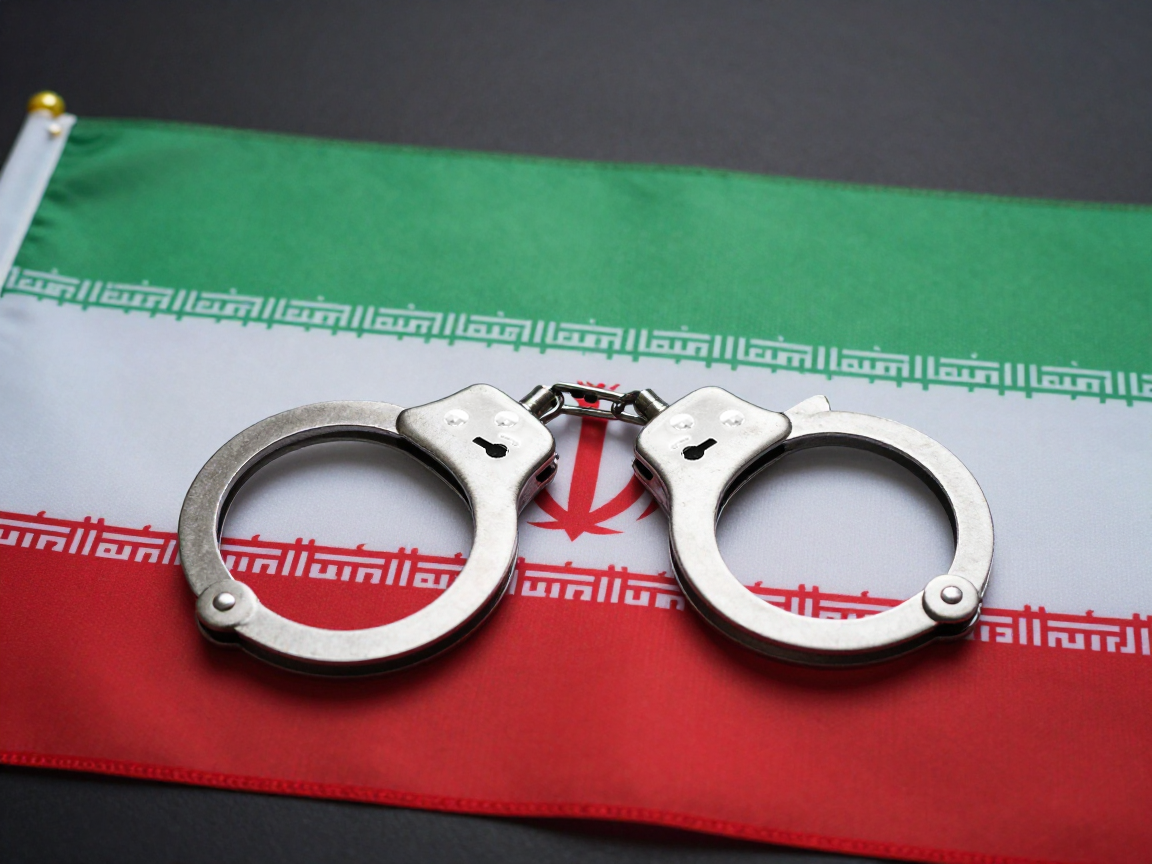
- The convergence of state oppression and the threat of war is fueling a deepening human rights crisis across Iran.
- The enforcement of severe penalties against protesters is designed to instill a pervasive climate of fear throughout society.
- The government has integrated mass arrests and executions into its broader strategic campaign of domestic suppression.
- The Iranian security apparatus and the judiciary are operating in total coordination to dismantle and silence any opposition.
- Louis Charbonneau warned that this systematic crackdown is likely to intensify further in the coming months.
By Goltane Ghazi • Medyascope
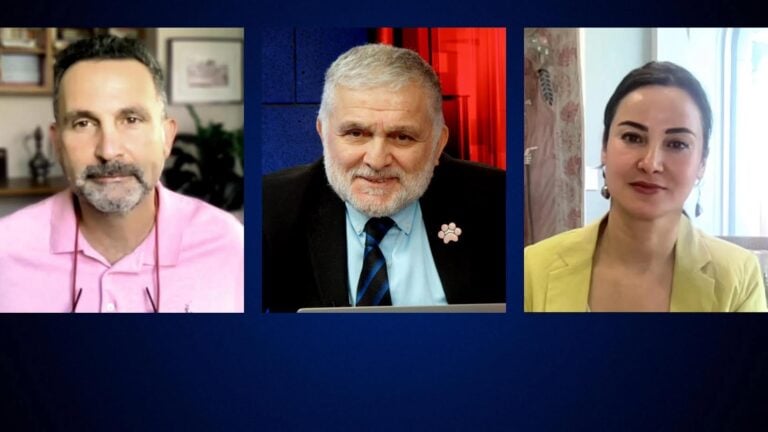
In an exclusive interview with Medyascope, Louis Charbonneau, the United Nations Director for Human Rights Watch, described a “double threat” facing the Iranian people. As tensions with Israel and the United States escalate, the clerical establishment has redirected its security apparatus inward, launching a systematic campaign of judicial and physical intimidation.
A coordinated crackdown on dissent
Mr. Charbonneau emphasized that the current situation in Iran is not merely a security crisis, but a comprehensive human rights catastrophe fueled by state policy. “This is a result of a systematic and institutionalized mechanism of repression,” he stated.
Following anti-government protests in January 2026, the Iranian judiciary announced that it had begun enforcing severe sentences. State media outlets have consistently branded protesters as “rioters,” “insurgents,” and “terrorist elements.”
Behind closed doors, the judicial system is processing a wave of defendants on charges of “espionage,” “threatening national security,” and “collaboration with hostile states.” According to Mr. Charbonneau, these legal maneuvers serve a broader purpose:
“The goal is not just to punish individuals, but to send a clear, chilling message to the rest of society.”
Death toll rises as Iran fast-tracks executions
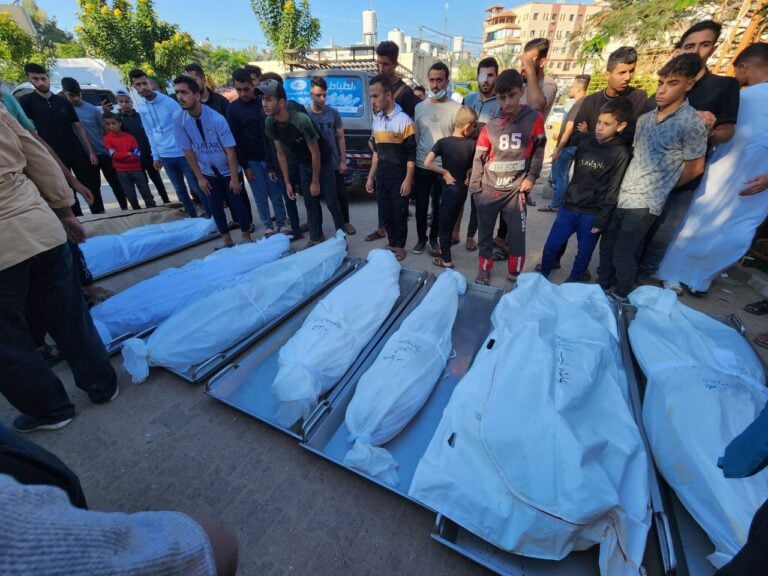
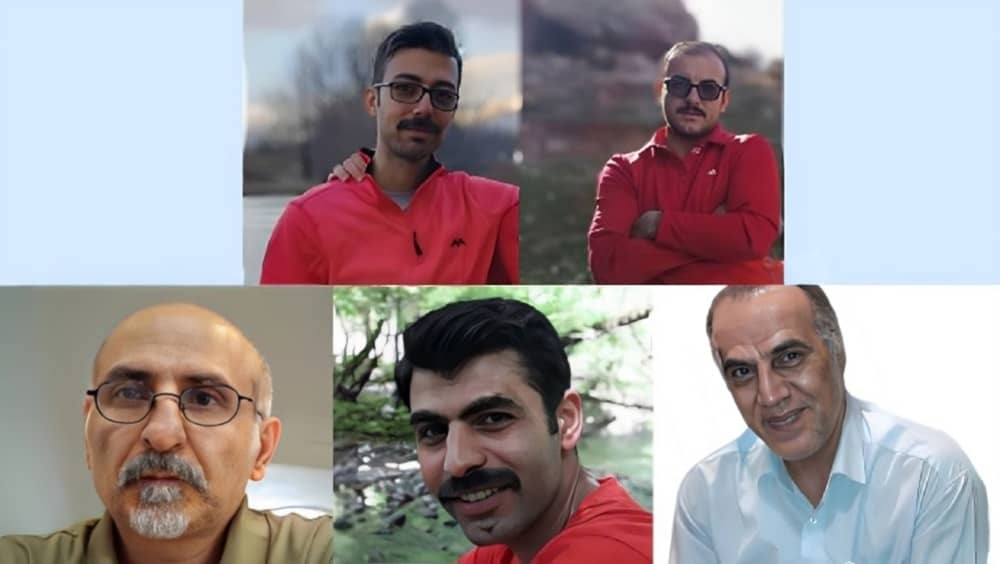
The Iranian state’s machinery of death has shown no signs of slowing. On Monday, 30 March, the judiciary-linked Mizan News Agency, confirmed the execution of two prisoners at Ghezel Hesar Prison in Karaj.
The victims were identified as Akbar Daneshvar-Kar (60) and Mohammad Taghavi Sangdehi (59). Both men were sentenced to death by the Tehran Revolutionary Court in 2024. The men were convicted of “rebellion” related to alleged membership in the People’s Mujahedin Organization of Iran (MEK).
While the state accused them of “terrorist activities” and “explosives production,” the Hengaw Organization for Human Rights contested the verdict. The group reported that confessions used in the trial were extracted under “extreme pressure” and intense interrogation.
Similarly, the Human Rights Activists News Agency (HRANA) reported the recent executions of political prisoners Babak Alipour and Pouya Ghobadi. Rights groups maintain that these trials were marred by “serious violations of due process,” with many detainees reportedly subjected to torture to secure forced confessions.
The symbiosis of judiciary and security
The repression in Iran extends far beyond street-level skirmishes, as Mr. Charbonneau noted that the Iranian security forces, intelligence units, and the judiciary are now operating in a highly coordinated lockstep to silence the opposition. This judicial crackdown is defined by several harsh characteristics, most notably the systemic denial of legal counsel, which leaves many detainees to face trial without any representation. Furthermore, revolutionary courts are increasingly resorting to expedited sentencing, handing down verdicts that the state finalizes almost immediately to prevent appeals or international intervention. Ultimately, the government is utilizing capital punishment as a tool of psychological warfare, intended to intimidate the populace and maintain a rigid atmosphere of public submission.
“The internal front”: War as a pretext
Analysis from the Center for Human Rights in Iran suggests that the leadership in Tehran has launched an “internal war” to coincide with external geopolitical conflicts.
The Islamic Revolutionary Guard Corps (IRGC) and the Basij militia have stepped up neighborhood patrols. These units are reportedly delivering direct threats to residents, warning that any resurgence of the January protests will be met with “lethal force.”
Experts argue that the government is effectively “weaponizing” the threat of war with Israel to justify domestic brutality. By labeling critics as “agents of the enemy,” the state can bypass traditional legal hurdles and expand its use of the death penalty.
A culture of fear and disappearances
The humanitarian toll of the January protests continues to mount. Security forces have detained tens of thousands of citizens, and human rights organizations are raising the alarm over “enforced disappearances.” Families are often left to search fruitlessly for their loved ones across a labyrinth of prisons, morgues, and hospitals.
The result is a society gripped by silence. “People are becoming afraid to exist in public spaces or express their views,” Mr. Charbonneau said. He warned that this “permanent order of fear” is the ultimate objective of the state.
“What is happening in Iran today is not just about controlling the present,” he concluded. “It is a harbinger of even more severe repression to come.”
Iran’s ‘double threat’: State oppression deepens as war escalates | Article by Goltane Ghazi | Translated/edited by Medyascope English Newsroom