According to Bloomberg, Turkey is seeking to return the S-400 air defense systems it bought from Russia in 2019, a purchase that led to the NATO member nation being ejected from the F-35 Joint Strike Fighter program.
 |
| Bloomberg: Turkey seeks to return S-400 missiles to Russia Bloomberg: Turkey seeks to return S-400 missiles to Russia Bloomberg: Turkey seeks to return S-400 missiles to Russia |
Bloomberg reports that Turkey’s move comes despite stern warnings from the United States and other NATO allies. In 2019, the Trump White House had described the S-400 as a Russian “intelligence collection tool,” stating that “The F-35 cannot coexist with a Russian intelligence collection platform that will be used to learn about its advanced capabilities.”
Should Turkey succeed in returning the S-400 systems to Russia, it could see CAATSA sanctions lifted and potentially rejoin the F-35 program, helping to fill the capability gap left in Turkey’s air power.
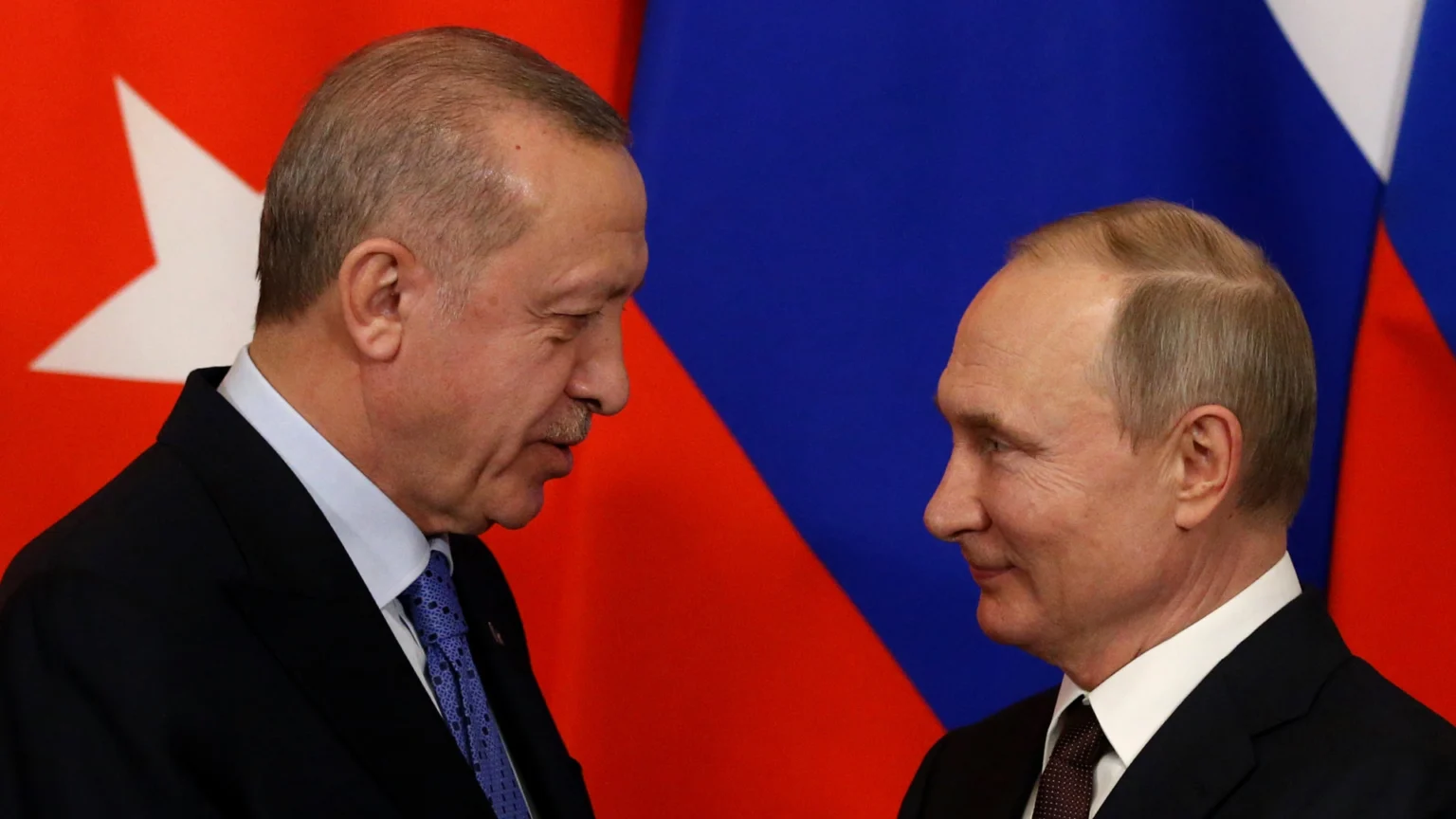
According to the report, President Recep Tayyip Erdogan raised the issue of the S-400s with his Russian counterpart, Vladimir Putin, during a meeting in Turkmenistan last week, following earlier discussions between officials from both countries.
While the Turkish presidency and Ministry of Defense declined to comment, the Kremlin denied that any formal offer had been made.

Missile refund
Ankara is also reportedly seeking a refund for the $2.5 billion it spent on the air defense system. Sources suggested Turkey might request a deduction from its oil and natural gas imports bill from Russia, though this would require negotiation.
Still, Bloomberg notes that the cost of the S-400 missiles and radars pales in comparison with the diplomatic capital Turkey could gain with NATO allies — and Trump in particular — if it removes the system.

A possible way back in
Erdogan’s initiative follows intensifying pressure from Washington to give up the S-400 system. The issue and Turkey’s desire to rejoin the F-35 program were discussed during Erdogan’s White House meeting with Donald Trump in September. The U.S. ambassador to Turkey, Tom Barrack, said earlier this month that Ankara was closer to giving up the S-400s and predicted the issue could be resolved in the “next four to six months.”
Turkey had justified its original S-400 purchase as a result of Washington’s reluctance to sell U.S.-made Patriot missile systems. The U.S. maintains that Turkey also requested technology transfer for the Patriots, which stalled the deal. Turkish officials repeatedly emphasized that any Patriot purchase would need to include deeper technology transfer, joint production, or local industry participation — conditions the U.S. was unwilling to meet at the time.
That frustration became part of Ankara’s justification for turning to Russia, with which Turkey has a compartmentalized relationship. Though the two countries are not true allies and often compete over regional and geopolitical objectives, they also sometimes cooperate in areas such as trade and energy. Turkey is Russia’s fourth-largest export partner, accounting for around $26 billion annually, while Russia remains Turkey’s largest natural gas supplier. Although Turkey’s Russian gas imports fell from 60% of the total to 37% in 2025, Russia continues to be a critical lifeline for Turkey’s energy needs.
Turkey is home to the largest military force in NATO after the U.S. and has often been accused of getting too close to Moscow. Erdogan has denied this, stressing that Turkey needs a balanced foreign policy. While Turkey refused to sanction Moscow following its invasion of Ukraine, it has restricted Russian military vessels from passing through the Bosphorus and has supplied Ukraine with weapons, aircraft, and other equipment.
Translated by Medyascope English Newsroom