Exclusive reporting by Medyascope correspondent Furkan Karabay indicates that former Turkish President Abdullah Gül was accused by an anonymous witness in the sprawling investigation targeting imprisoned Istanbul Mayor Ekrem İmamoğlu and the opposition-controlled Istanbul municipality.
 |
| Exclusive: Ex-Turkish President Gül probed over jailed İmamoğlu Exclusive: Ex-Turkish President Gül probed over jailed İmamoğlu Exclusive: Ex-Turkish President Gül probed over jailed İmamoğlu |
Gül served as president of Turkey from 2007 to 2014 as a member of current President Recep Tayyip Erdoğan’s Justice and Development Party (AKP).
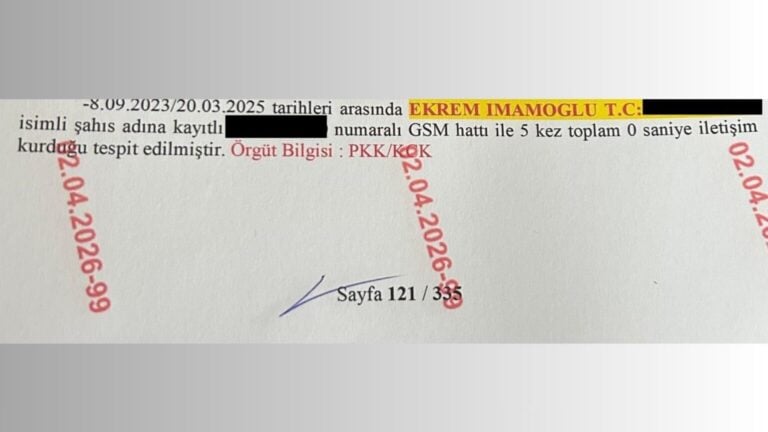
Although the accusations against Gül did not make it into the final version of the indictment, the former president was accused of shady links to the Istanbul municipality during the investigation process.
The indictment targeting the Istanbul municipality and İmamoğlu was released in early November and requests up to a 2353 year prison sentence for the Istanbul mayor.
An anonymous witness who mentioned Gül is referred to using the code name of ‘Ceviz’, or ‘walnut’ in Turkish.
Gül’s involvement in the case
An anonymous witness cited in the indictment alleges that Abdullah Gül and his brother Macit Gül are the owners of the firm İlbak Holding. İlbak Holding is mentioned in the indictment as being run by Murat İlbak, a suspect in the case who was arrested but then released after issuing a confession.
The anonymous witness statement that mentioned Gül’s name was reportedly given on April 7th, 2025, just weeks after İmamoğlu’s arrest as major protests rocked Turkey.
The anonymous witness also alleged that Gül had engaged in business with the Istanbul municipality for years and had witnessed the alleged bribery and irregularities that form the basis of the indictment.
The first hearing in the Istanbul Municipality case will take place in March 2026.
The case has been routinely criticized for its heavy reliance on anonymous witness testimonies, and has been described by the Turkish opposition and numerous outside observers as politically motivated.
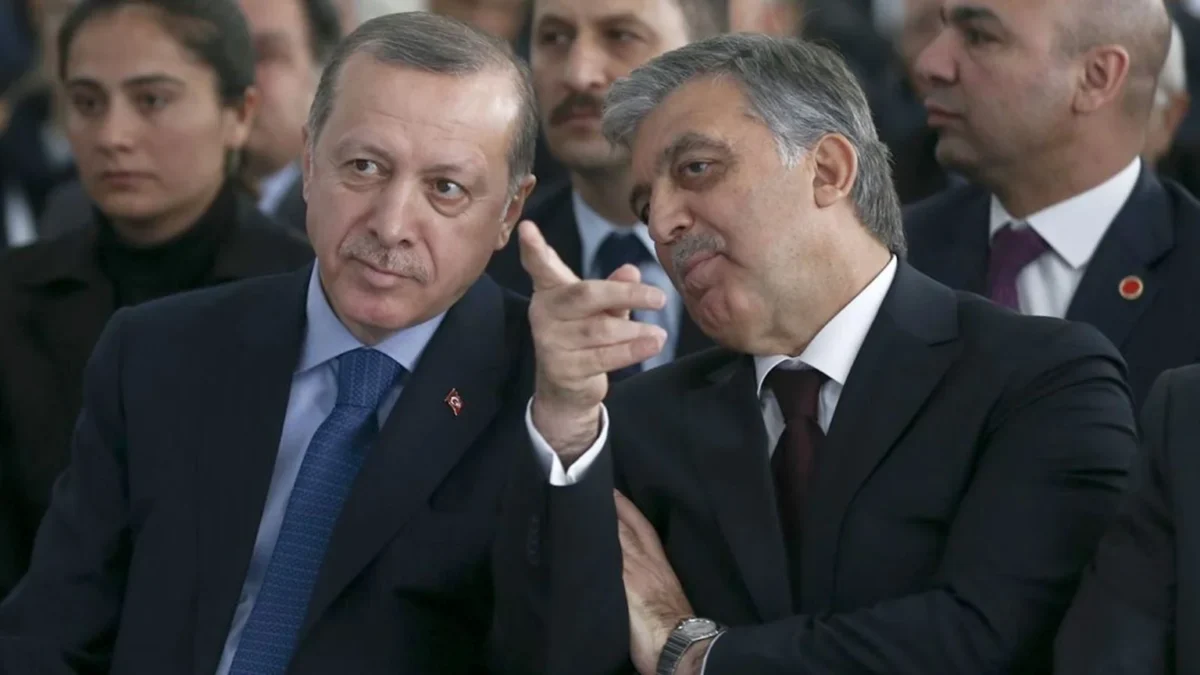
Gül, a founding member of the AKP, left politics after his term ended in 2014 and has kept a low profile since. Differences with Erdoğan over the government response to 2013’s Gezi Park Protests, in which Gül advocated a more measured government response, have been identified as factors contributing to Gül’s exit from the AKP and political sphere.
Written/translated for Medyascope by Leo Kendrick