ANKARA, Turkey (Medyascope) — According to information obtained by Medyascope, Turkey’s peace process parliamentary commission aimed at solving the country’s decades-long running Kurdish issue is preparing to publish a joint 60-page report consisting of seven main sections. The report is expected to include a confirmation of the Kurdish Workers Party (PKK)’s dissolution, as well as democratizing reforms such as the adherence to rulings from the European Court of Human Rights and the Turkish Constitutional Court, and the cessation of trustee appointments.
By ÖZGECAN ÖZGENÇ Medyascope
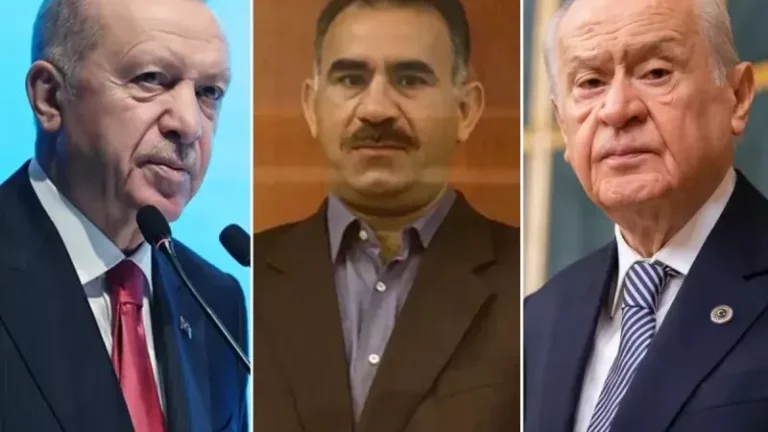
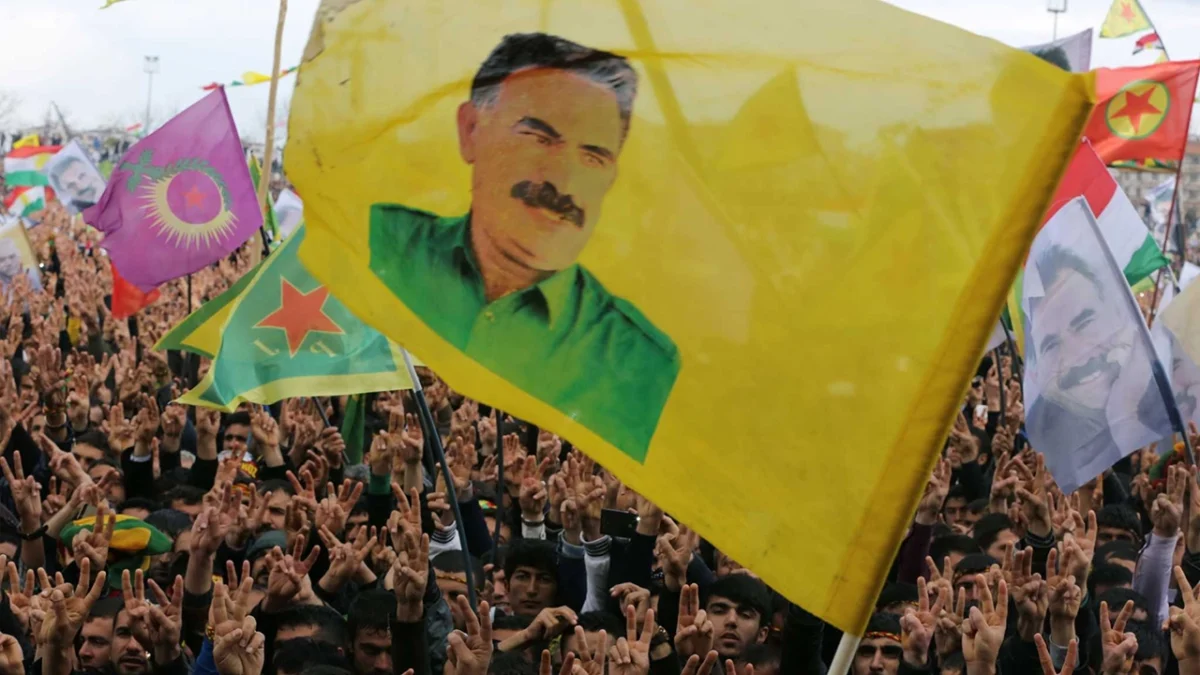
The parliamentary commission was launched in August 2025 following milestone events such as the PKK announcing its dissolution in May 2025 and the initiation of the peace process by Nationalist Action Party (MHP) chairman Devlet Bahçeli in late 2024.
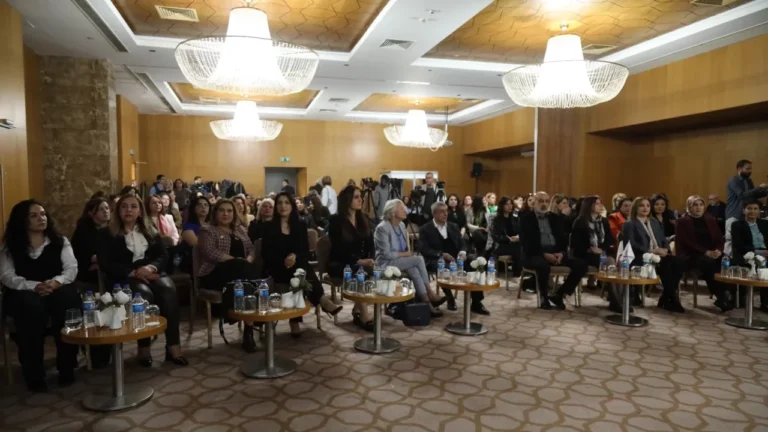
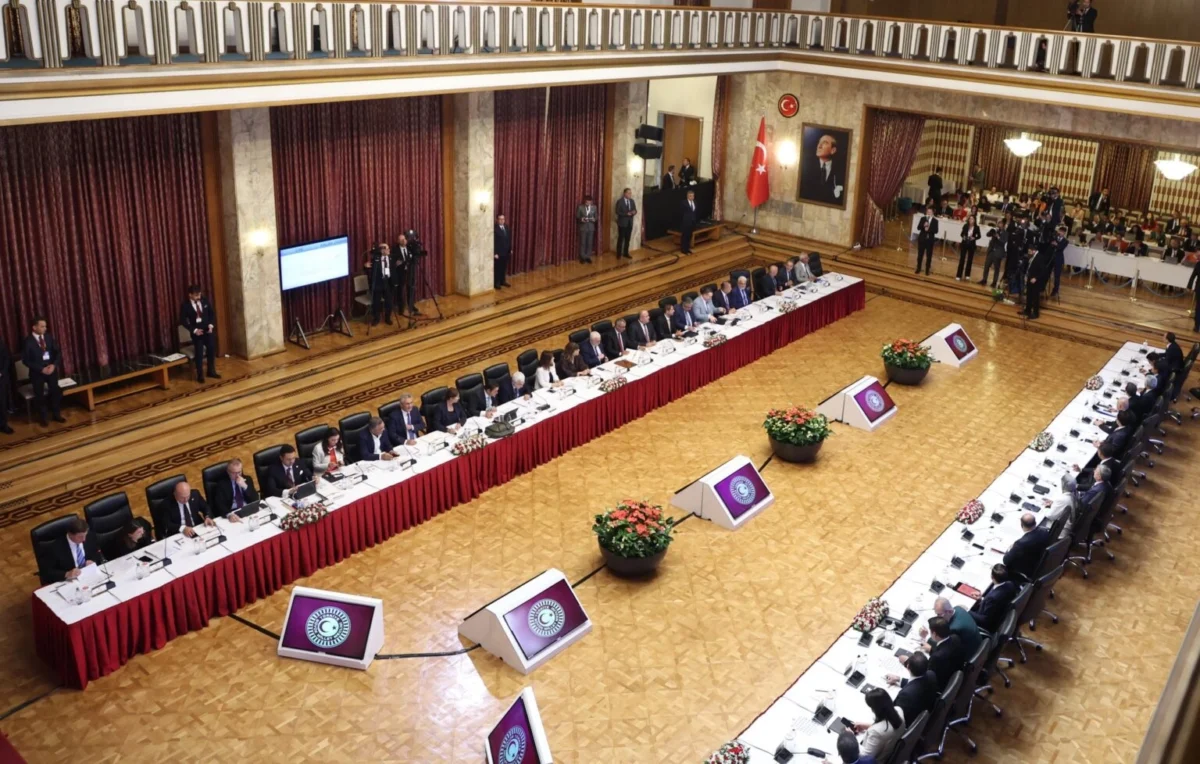
Members of the commission, officially known as the Commission for Solidarity, Brotherhood, and Democracy, met yesterday (February 16) to put the finishing touches on a joint report expected to summarize the progress of the initiative thus far and goals moving forward.
The first 37 pages of the 60 page document reportedly include the bulk of the report itself, while the remaining pages are devoted to such details as presentations made during the commission meetings by party members. The first five sections detail a chronological account of the commission’s progress from its launch until today. The sixth section consists of legal reforms recommended by the commission, while the seventh and final section consists of recommendations for democratization.
The commission is expected to meet this week to vote on the publication of the report. A three-fifths majority vote is required for the report’s release.
What’s in the draft report?
The first section describes the process leading up to the commission’s establishment, including speeches by President Recep Tayyip Erdoğan, as well as MHP Chairman Devlet Bahçeli’s handshake with DEM Party members at the opening of the Turkish Parliament in October 2024. The commission’s working principles and guidelines are also included in this section.
The second section outlines the “Terror-free Turkey” initiative. Headings in this section include: “the goal of strengthening democracy” and “the goal of increasing development and economic prosperity.” The third section provides a historical narrative of Turkish-Kurdish coexistence titled “The historical roots and fraternal law of Turkish-Kurdish brotherhood.”
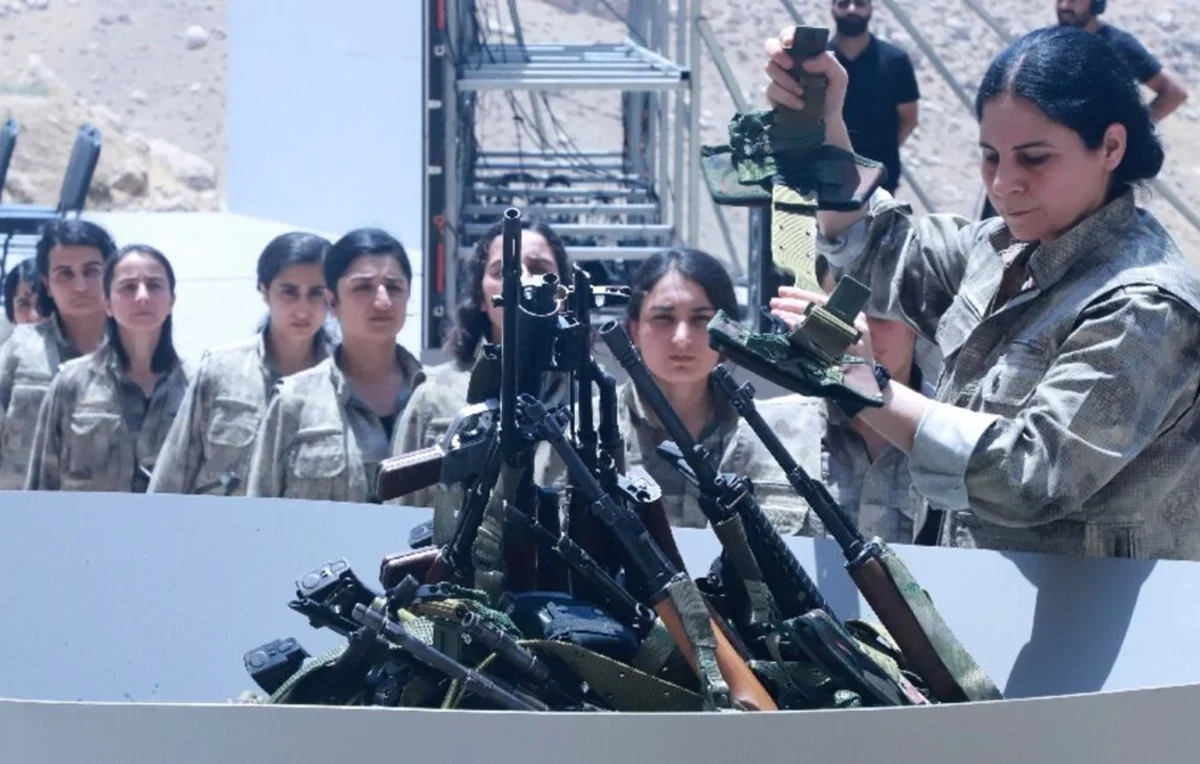
The fourth section analyzes the hearings of the commission, while the fifth section deals with the PKK’s self-dissolution and disarmament process.
What’s missing from the draft?
The draft report, which covers developments from the beginning of the peace process referred to the present day, does not provide a definition or assessment of the root causes of the Kurdish problem. The word “Kurd” appears only a few times in the first five sections, all within the context of the “Turkish-Kurdish brotherhood” topic. The terms “Kurdish problem” and “Kurdish issue” are also absent. The phrase “solution to the problem” is used only once.
In contrast, terms such as “terror,” “terrorist,” and “terrorist organization” appear frequently. Expressions such as “Terror-free Turkey,” “ending terror,” “terrorist organization,” “the harms of terror,” “the devastation of terror,” and other similar terms are frequently used. The inclusion of these terms reportedly caused debate during the work on the report’s drafting.
Conditional Peace
The sixth chapter, titled “Proposals for Legal Regulations Regarding the Process,” touches on the following topics: the PKK’s disarmament, the status of its members, social integration, and a monitoring and reporting mechanism. A proposal to provide legal guarantees for those involved in the process, a provision requested by the pro-Kurdish DEM Party, is also included in the joint draft report.
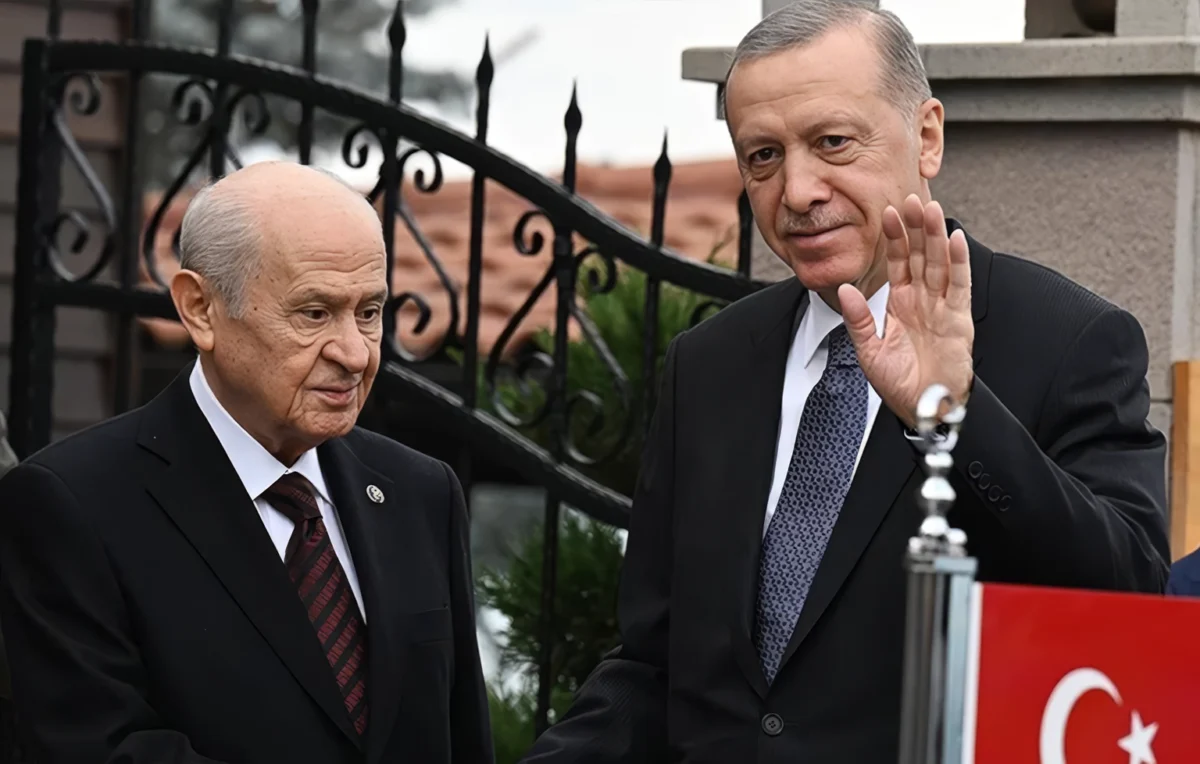
Legal reforms to be made are contingent upon the confirmation and verification of the PKK’s disarmament, a condition requested by President Erdoğan’s Justice and Development Party (AKP) and their main coalition partner MHP. This condition requires that the dissolution of the PKK be finalized and confirmed by the state’s executive board, suggesting a draw-out timeline. However, the parties involved in the commission are expected to agree that the disarmament and legal reforms will proceed as a reciprocal process.
AKP-MHP coalition in the driver’s seat
According to the draft report, almost all legal reforms are left to the executive branch. The draft also states that a formal judicial process will be carried out for everyone, such as ex-PKK fighters, who may benefit from amnesty provisions included in the process “with the concern of not creating a perception of impunity.”
Because Turkey’s ruling AKP-MHP bloc controls a simple majority in the Turkish Parliament, these two parties’ support would be necessary to pass any legal reforms recommended by the commission.
Democratization section: References to the ECHR, the Constitutional Court, and the trustee system
The seventh section includes democratization proposals such as recommendations for compliance with the decisions of Turkey’s Constitutional Court (AYM) and the European Court of Human Rights (ECHR). Amendments to the Anti-Terror Law (TMK) and the Turkish Penal Code are also included.
Compliance with ECHR and AYM rulings could potentially include the release of high-profile figures such as Osman Kavala, Selahttin Demirtas, and Can Atalay.
The draft does not address the long-held Kurdish demands for mother tongue and equal citizen-status, requests that have been formally voiced by the DEM Party and supported by the Turkish Workers Party (TİP) and Labor Party (EMEP).
Regarding Turkey’s ‘trustee’ system, the practice of removing democratically elected officials from Turkey’s opposition parties and installing central-government-appointed replacements, the draft does not contain any provision to prevent the appointment of such officials. However, a provision highlighted by opposition parties dictates that if the mayor is removed from office, a replacement will be chosen by the local city council.
Report release delayed due to Syria developments
Work on the draft of the joint report launched in December 2025. Although originally expected in late January, the release of the report was delayed following developments in Northern Syria between the Kurdish-led Syrian Democratic Forces and the Damascus central government.
In a press conference yesterday, DEM Party deputy group chair Gülistan Kılıç Koçyiğit expressed reservations to the draft, saying “There are approaches here that we will be unable to accept.”
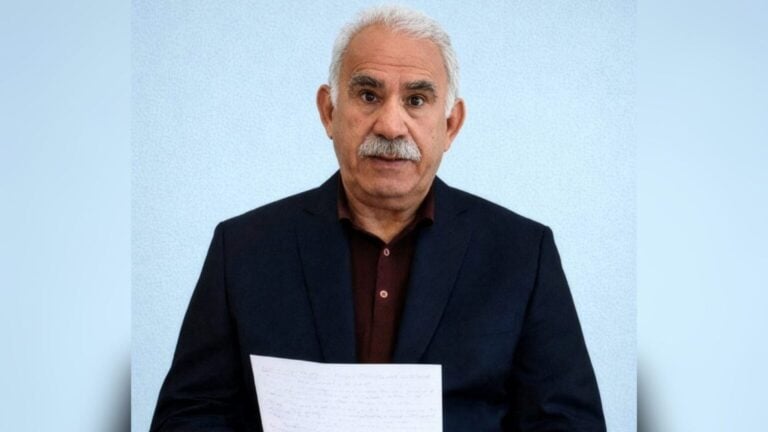
Other rumored topics expected to be included in the commission, such as the possible release of long-imprisoned PKK leader Abdullah Öcalan, remain unclear due to recent conflicting statements from MHP and main opposition CHP members.
Öcalan has been visited in prison regularly by a DEM Party delegation for consultation throughout the process, including on January 17th and February 16th.
Written/translated for Medyascope by Leo Kendrick