
Gambling has become a global fixture, reaching 46% of adults and nearly a fifth of all adolescents. But experts warn that the digital transition has transformed betting from a game of chance into a sophisticated psychological snare, specifically engineered to hijack the brain’s dopamine pathways. More than half of those struggling with gambling addiction have contemplated suicide—a figure staggering when compared to a rate five to ten times lower in the general population. Müzeyyen Yüce has written a comprehensive series reporting on the illegal gambling world in Turkey.

Clinicians argue that online gambling is more than a fiscal threat; it is a deep-seated psychological dependency. Fueled by the repetitive dopamine loop, the habit is increasingly linked to a wider sociological malaise—a growing sense of hopelessness regarding the future.
“At first, I was only losing money. Then I lost my confidence. In the end, I lost my will to live,” says one survivor, who spent 17 days in intensive care following a suicide attempt. “Everyone kept asking ‘why.’ I stayed silent.”
In a residential treatment centre in Istanbul, 21-year-old Ahmet recounts his descent into addiction. He speaks on the condition of anonymity. His journey began the moment he turned 18, spurred by a relentless barrage of social media advertisements and peer pressure. What started as “small stakes” and the thrill of “easy money” rapidly spiralled into a desperate cycle of chasing losses. Then came the debt, the deception, and the isolation. Eventually, it led to a suicide attempt.
Ahmet’s story is no longer an outlier. As digital betting platforms proliferate across Turkey, addiction has evolved from a personal vice into a systemic crisis where financial ruin and psychological collapse are inextricably linked. The gravity of this shift was laid bare by the death of physical education teacher Şafak Çelik, who took his own life following a catastrophic breakdown triggered by gambling debts—a tragedy that forced the issue into the national spotlight.
The data void: Tracking a ghost epidemic
According to World Health Organization data, approximately 46% of adults and nearly 18% of adolescents worldwide have gambled at least once in the past year. In Turkey, however, official data regarding this field remains limited. There is no specific public report on the psychological breakdowns and suicides resulting from gambling addiction. The last comprehensive suicide data published by the Turkish Statistical Institute (TÜİK) dates back to 2018. In that year, four out of every 100,000 people in Turkey committed suicide. Yet, there is no official record of how many of these cases were linked to gambling.
Ahmet earned a certain amount of profit by placing small stakes in games he initially started, in his own words, “for fun.” Having chosen not to attend university after high school, he was living at his family’s home, getting by on the allowance they provided. Ahmet stated that the money he won created a sense of excitement and increased his hope of winning larger amounts; consequently, he began depositing increasingly larger sums into virtual betting sites. Then, the tide turned. Profit gave way to loss. For Ahmet, gambling was no longer a form of entertainment, but a loss that had to be recouped.

Down a million
For Ahmet, the descent followed a textbook trajectory. Opting out of university after high school, he lived at home on a modest allowance. What began as “fun” with small stakes soon morphed into a neurochemical hook. The initial wins didn’t just provide pocket money; they manufactured a false sense of hope. As the wins dried up, the psychology shifted. Gambling was no longer a pastime; it became a frantic, daily labor to “break even.” The financial collapse was as swift as it was total. Ahmet describes a complete loss of agency, a state where the urge to play overrode every survival instinct.
“The moment I started losing, I wanted to stop,” Ahmet recalls. “But I kept telling myself, ‘This is the one.’ I began borrowing from friends and family. Even when I won, the amounts were a drop in the ocean compared to what I’d lost.”
The ‘addiction of loss’: Inside the dopamine trap
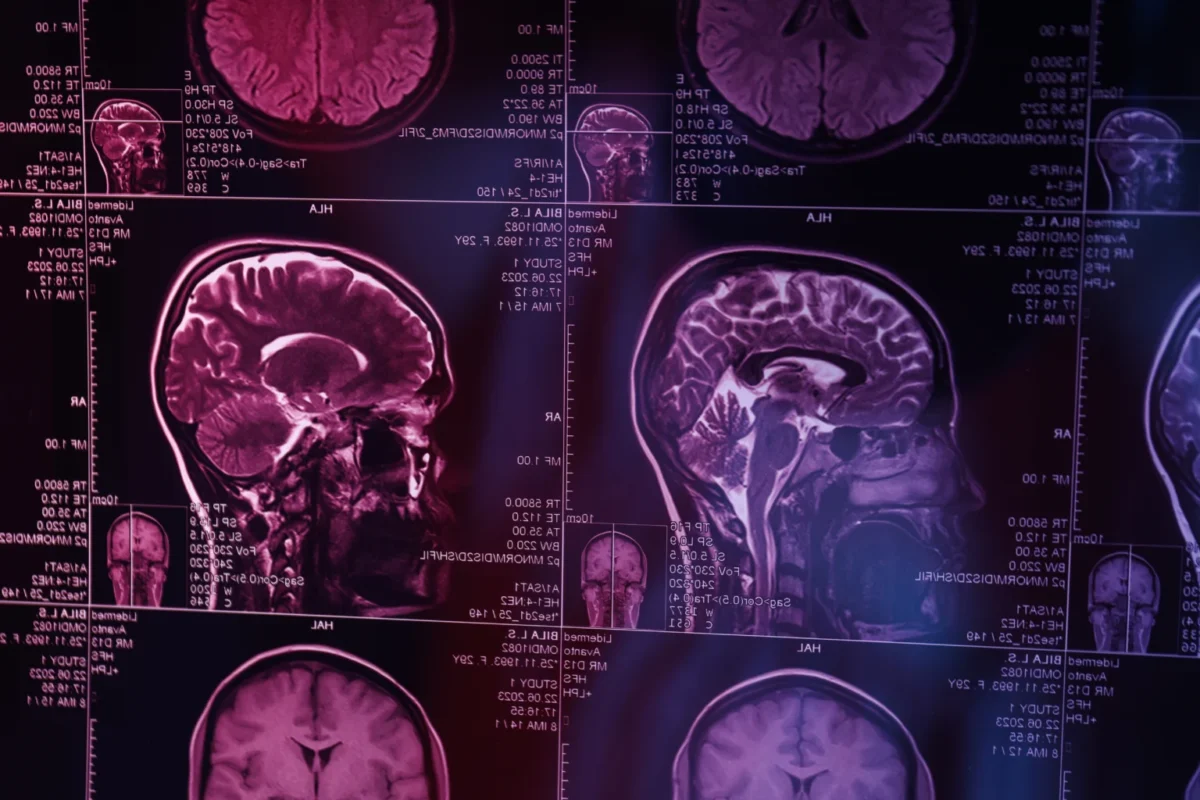
For Professor Kültegin Ögel, Medical Director at Moodist Psychiatric and Neurological Hospital, the crisis extends far beyond illegal websites or a lack of oversight. The digital gambling infrastructure is a direct assault on the brain’s “reward system”—the dopamine mechanism.
It begins with the thrill of possibility, but quickly shifts into a compulsive drive to “recover” what has been lost. According to Prof. Ögel, the cycle is self-sustaining; the hope of winning in the “next round” keeps the user trapped.
“Anticipation often creates a more powerful effect than the win itself,” says Prof. Ögel. “Gambling is the only form of addiction that is actually fed by loss.”
He explains that the chance of winning—rather than the win itself—is the primary driver. This biological hook is particularly potent in young people, whose developing brains are more susceptible to such structural vulnerabilities.
The ‘near-miss’ syndrome
The architecture of online betting platforms is intentionally designed with psychological triggers to ensure “stickiness.” These include last-second goals, shifting live odds, initial “welcome” wins, and constant bonus offers.
A key clinical concept here is the “Near-Miss Syndrome”. When a user narrowly misses a win, the brain processes the event as a victory rather than a loss. This creates a powerful stimulation that pushes the individual toward the next bet.
The psychological fallout is not limited to financial insolvency. Prof. Ögel notes that gambling addiction is inextricably linked to social isolation, depression, and profound guilt. The statistics are stark: More than 50% of those with gambling addictions consider suicide at some point. Between 17% and 20% of addicts go on to attempt suicide. These individuals are 5 to 10 times more likely to attempt suicide than the general population.
Ahmet’s breaking point
For Ahmet, the weight of his losses eventually became unbearable. Following a catastrophic streak, he attempted to take his own life. His family intervened just in time, but he spent 17 days in intensive care. When he finally woke, the psychological trauma remained. Even under medical care, the stigma was too heavy to carry; he could not bring himself to tell his family or doctors the truth.
“I was so ashamed. I couldn’t say a word. I had mountains of debt and I was terrified my family would find out,” Ahmet recalls. “After I left the hospital, the void grew even deeper. I saw myself as a man who had lost everything.”
Unable to cope with the crushing weight of his addiction and his debts, Ahmet began using drugs as a form of secondary escape. “I was like a truck with no brakes,” he says, describing the total loss of control that eventually led him to seek specialist help.

A generation seeking an exit
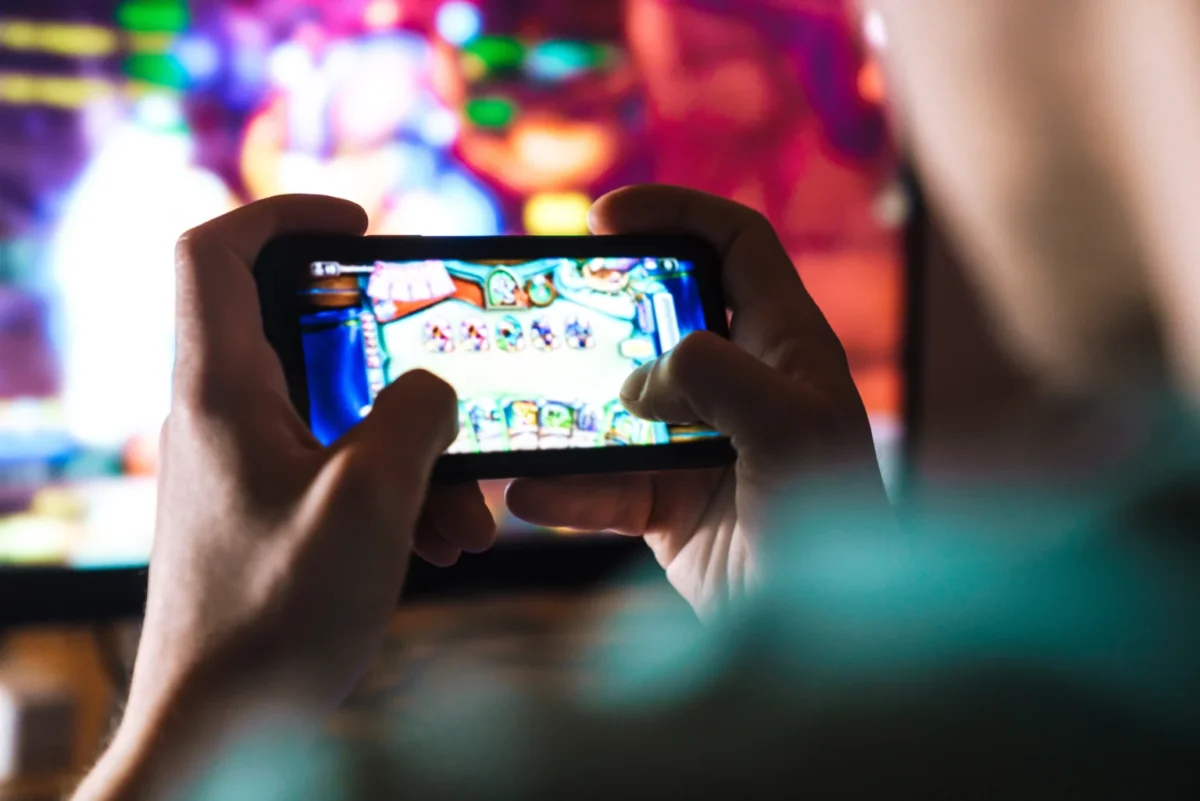
Sociologist Fatma Büşra Karakuş suggests that digitalization has effectively dissolved the physical boundaries of gambling. The terrestrial casinos that were shuttered in 1998 have been replaced by a limitless digital frontier accessible via smartphones. No physical effort is required to place a bet; a single tap on a screen in the middle of the night, from the sanctuary of one’s bedroom, is enough to enter the cycle.
The proliferation of gambling among the youth cannot be dismissed as mere individual frailty. Karakuş points to a deepening sense of “futurelessness” that has taken root in recent years. The traditional concept of building a life through steady work and saving is losing its grip on the younger generation. Many feel that home ownership is an impossible dream, that their education will never yield a fair return, and that financial independence from their parents is a vanishing prospect.
In this climate, gambling is viewed less as a leisure activity and more as a “final chance.” The prevailing mindset is that a single win could offer a total escape from economic stagnation. For many, the immediate agony of a loss feels more bearable than the indefinite, agonizing wait for a future that feels structurally rigged against them. This perception is further distorted by social media influencers and YouTubers who flaunt extravagant lifestyles and stories of overnight wealth. By glamorizing the shortcut over the steady climb, they nurture a “easy money” culture that targets the most vulnerable.
The path to recovery
Professor Kültegin Ögel observes that the majority of those who seek help only do so once their debts have spiralled beyond any hope of personal management. While he emphasizes that gambling addiction is a treatable clinical condition, the first and most difficult hurdle is the patient’s own admission of the problem. Among young men, this moment of clarity typically arrives between the ages of 21 and 24.
The road to recovery is a comprehensive and often lifelong journey. Clinical interventions include cognitive behavioral therapy, group sessions, and family support programs, supplemented by medication where necessary. It is a process that requires a total restructuring of the individual’s relationship with risk and reward.
A family restored
For Ahmet, the turning point arrived through the very medium that facilitated his addiction. He encountered the stories of recovered addicts on social media, an experience that allowed him to finally see his own reflection in the struggle of others. It was the first time he realized that his condition had a name and, more importantly, a potential cure.
He eventually confessed the full extent of his journey to his family. With their backing, he enrolled in a residential treatment center where he has been for a month, with another two months of intensive care ahead of him. The treatment is not limited to Ahmet alone; his family attends therapy sessions once a week to address the collateral damage of his addiction.
Today, Ahmet reports feeling a renewed sense of strength. Despite the weight of his regrets, he believes that a different life is possible. He acknowledges the long road of treatment that lies ahead but remains committed to the process, viewing the support given to his family as a vital component of his own hope for the future.

An individual failing or by design?
The debate over whether addiction is a personal failing or a calculated industrial byproduct is central to understanding the current crisis. Experts argue that we are witnessing a digital industry meticulously built around psychological vulnerabilities. While law enforcement operations and website bans are vital in the fight against illegal betting, specialists warn that interventions remain superficial if they ignore the biological, psychological, and sociological roots of the problem.
Professor Ögel points to a significant failure in existing oversight, noting that the sheer volume of users in Turkey makes total prohibition nearly impossible to enforce. “We still cannot prevent young people from securing multiple loans across different banks simultaneously,” he explains. He advocates for a shift in strategy: “At the very least, we need to bring virtual gambling within a regulated system. If we can bring it under formal supervision, we can maintain much tighter control over its impact.”
Sociologist Karakuş echoes this, categorizing gambling addiction as a major public health emergency. The trajectory from a debt spiral to psychological collapse and suicide affects far more than just the individual; it radiates outward, placing an immense burden on the social service system, driving up crime rates, and fueling domestic conflict. In her view, the problem is characterized by high prevalence but low visibility—a silent epidemic.
Advice for families
Because online betting is often conducted in private, addiction can progress quietly within the home for months or years. The addict frequently hides their losses and mounting debts until the crisis reaches a breaking point. Professor Ögel warns that recognizing early warning signs is critical for intervention.
His primary advice to parents is counterintuitive but firm: do not pay off the gambler’s debts. This behavior, he argues, merely reinforces the addiction. Families should remain vigilant regarding the time a child spends on their phone, an increasing habit of asking for money, or reports of them borrowing from friends. He also warns against normalizing the behavior: “We often see parents who say they place bets with their sons as a ‘weekend activity.’ This must be avoided. The best path is maintaining open, honest communication.”
Müzeyyen Yüce
Müzeyyen Yüce graduated from Akdeniz University with a degree in Public Relations and Communications. She began her journalism career in 2013 as an intern at DHA and later reported for Antalya Körfez Gazetesi, Gazete Duvar, and Artı Gerçek. She currently works as a freelance reporter.
About the project
The European Union funds the “Support for Media Freedom – Strong Solidarity, Strong Media” project, run by the Journalists’ Union of Turkey (TGS), the Journalists’ Association (GC), and the İzmir Journalists’ Association (IGC). The program aims to strengthen media diversity and support a free press in Turkey.
The dopamine trap: Why is online gambling so hard to quit? | Translated and edited by Medyascope English Newsroom