DUBAI (Medyascope) – Following retaliatory strikes by Iran against targets in the UAE, Turkish expats living in Dubai describe a city caught between geopolitical tension and an insistence on normalcy.
The regional escalation was ignited on 28 February, following a series of Israeli and US air strikes against Iranian targets. Tehran’s retaliation was both swift and expansive, launched at several neighboring states hosting American military installations—most notably Qatar, Bahrain, and the United Arab Emirates.
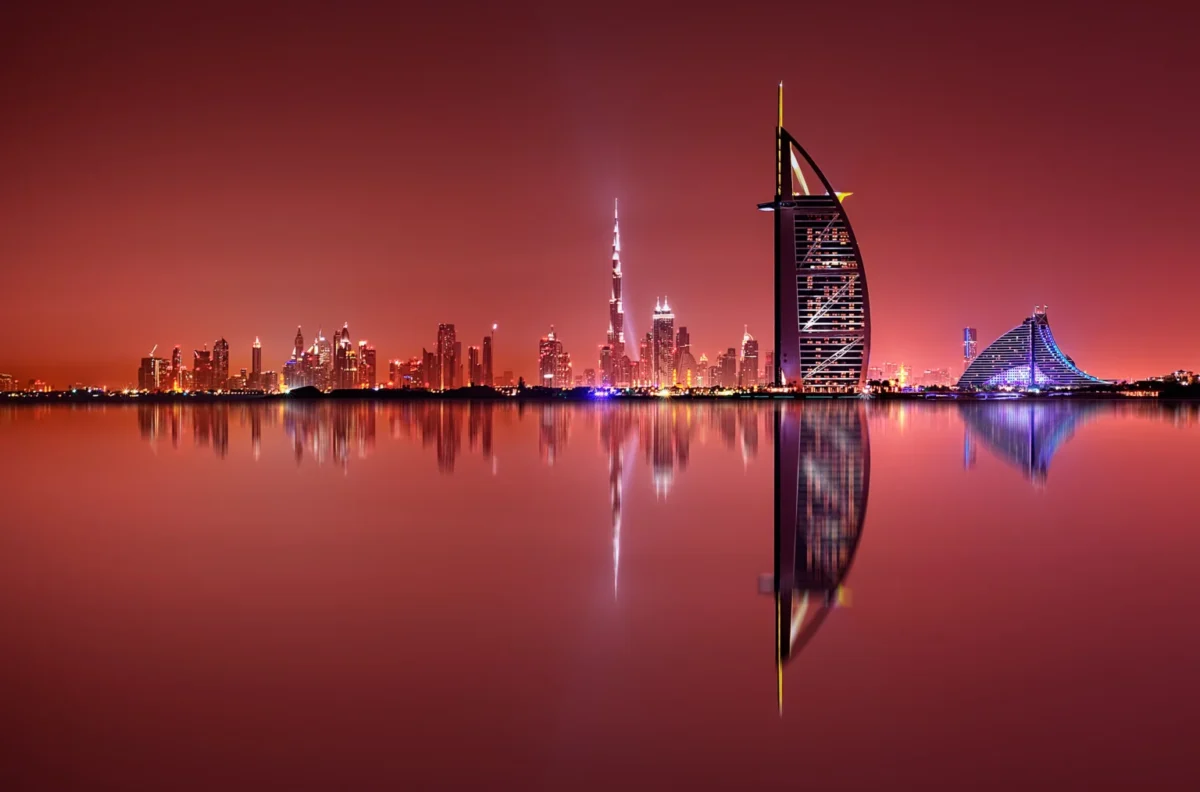
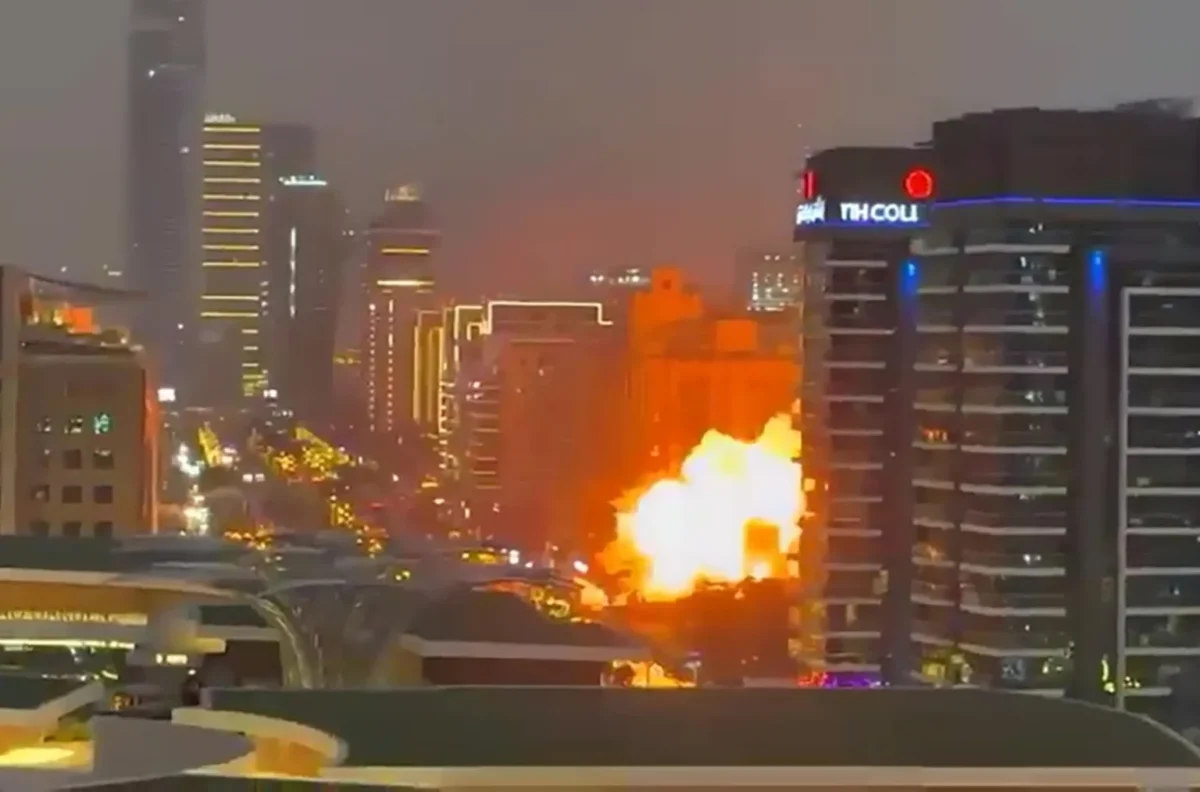
In Dubai, the impact of this high-altitude shadow war was felt directly on the ground. Intercepted missiles and falling debris struck several of the city’s landmark sites, including the Palm Jumeirah, the Burj Al Arab, Jebel Ali Port, and the international airport. To gauge the mood of a city caught in the crossfire, we spoke to Turkish expatriates who are currently navigating a conflict that feels at once perilously close and jarringly detached from their daily lives.
The VPN lifeline
Burak Yalım has lived in the “Dubai South” district for five years. A PhD candidate focusing on Turkish migration to the city, he also runs an e-commerce business.
Attempting to reach him highlights one of Dubai’s unique digital hurdles. Before our interview could begin via WhatsApp, Yalım had to establish a VPN connection. In a country where 92% of the population are expatriates, local telecommunications firms have restricted WhatsApp calling to protect revenue. For residents, a VPN is not just a tool for privacy—it is the only way to call home.
‘Walking on the beach’
When we finally connected with Yalım, his description of the desert metropolis was unexpectedly calm.
“When you first called, I was actually out for a walk on the beach with my wife,” he says. “As far as our immediate safety is concerned, there is no problem here.”
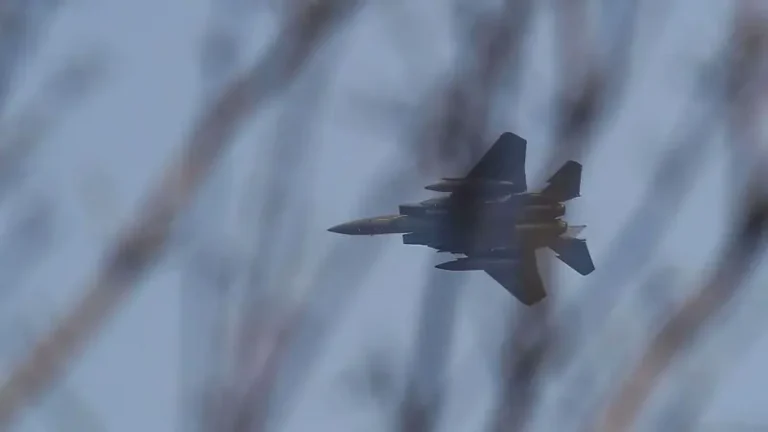
However, he acknowledges that the “surgical” nature of the strikes doesn’t account for the chaos of falling debris. According to the UAE Ministry of Defence, approximately 500 drones and 200 ballistic missiles were launched by Iran.
“They claim 92% were intercepted,” Yalım explains. “But even when you destroy a missile in the sky, the debris has to land somewhere.”
The debris caused minor damage to iconic landmarks such as the Burj Al Arab and the city’s main transit hubs. While the city avoided a catastrophe, the human cost was still felt: three people were killed and 58 injured in the strikes.
For many Turks in the city, the primary struggle isn’t the physical danger, but the narrative gap. Yalım suggests that media portrayals back in Turkey often suggest a city in total chaos—a stark contrast to the couple currently strolling along the Persian Gulf.
‘Iftar under the interceptors’
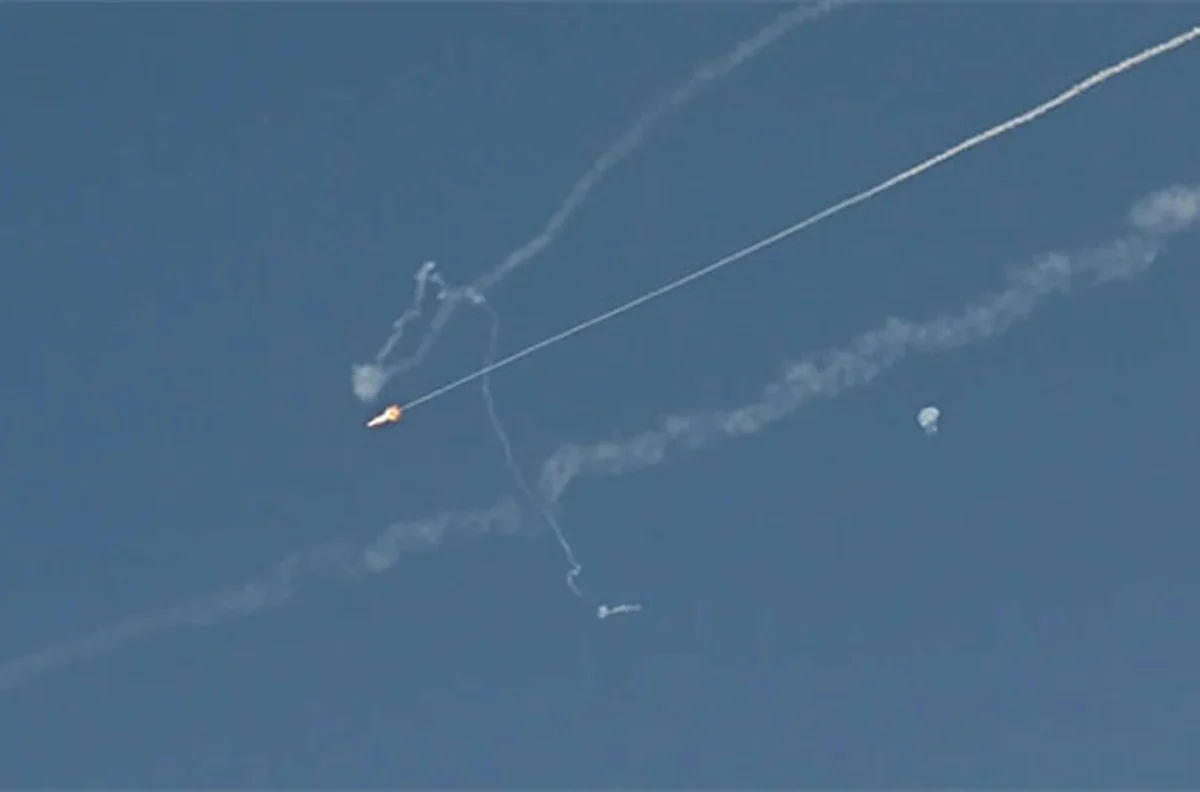
For many, the sight of a high-tech war playing out in the skies did little to disrupt the rhythm of daily life. Mr. Yalım recalls the moment the horizon lit up while he was at the beach.
“We saw the collisions in the sky from the shore. We watched the air defence systems intercepting the missiles—it was incredibly loud,” he says. “We were uneasy at first and started looking for news, but we didn’t run for cover or head to shelters. We stayed on the beach and later had our Iftar [the fast-breaking meal during Ramadan] outdoors with friends.”
No panic in the aisles
Despite the geopolitical tremors, the city’s infrastructure has remained resilient. While the government transitioned schools and many private sector offices to remote work as a precaution, the retail sector remains untouched by the “panic buying” often seen in conflict zones.
“I’ve just returned from the supermarket. I went on foot specifically to check the shelves,” Yalım explains. “They are fully stocked. There is absolutely no looting or hoarding. We feel safe because the air defence systems worked and the UAE government has managed communication very healthily. They never let a sense of panic take hold.”
The digital economy also appears to be holding steady. “I placed an online order and it arrived in 30 hours. Everything is returning to normal; even the airport is expected to be fully operational within days.”
Logistics on hold
However, the conflict has not been entirely without friction for the business community. Yusuf, a local entrepreneur who manages a wholesale warehouse in Dubai South, notes that while the streets are calm, the gears of global commerce have stuttered.
“One of the cargo firms we partner with suspended all operations,” Yusuf says. “Amazon also stopped accepting many shipments and rescheduled appointments for a later date.”
Despite these commercial hiccups, Yusuf insists the atmosphere at home remains domestic rather than distressed. “The streets aren’t empty. My children are outside playing in the park right now. We were worried for the first few hours because we didn’t understand what was happening, but since then, we haven’t even felt anxious. On Sunday, we just had a barbecue in our garden.”
The ‘Misinformation’ Gap
A recurring theme among the Turkish community in Dubai is a sense of frustration with how the situation is being portrayed in their home country. Both men expressed confusion over the “alarmist” tone of Turkish media outlets.
“People from Turkey are calling us constantly, terrified. They tell us they’ve heard bombs are flying everywhere and the streets are deserted,” Yusuf says. “That is simply not true. There is a massive gulf between what the Turkish media is reporting and what we are actually living here.”
While a small number of Turkish expats reportedly made contingency plans to flee to Turkey via Oman, Yusuf suggests this was the exception rather than the rule. “The air of dread hasn’t reached most of us. We’ve started filming our own videos just to show people back home that the reality is very different.”
‘70% safe’: The view from the blast zone
While many in the city describe a scene of calm, for those living near the impact sites, the reality was more visceral. Berk, a sports coach who has called Dubai’s Emirates Living district home since 2012, found himself just two kilometres away from where intercepted debris fell.
“The sounds were terrifying,” he recalls. “Hearing the screams, the dogs howling, and children crying was heartbreaking. A neighbor’s dog was in a state of distress for an entire day.”
Despite the proximity of the strikes, Berk’s confidence in the city’s defenses remains high. “People were worried about bombs hitting their homes, but the robustness of the air defense systems provides some comfort. I’d say I feel 70% safe.”
‘Business as usual’ for tourism
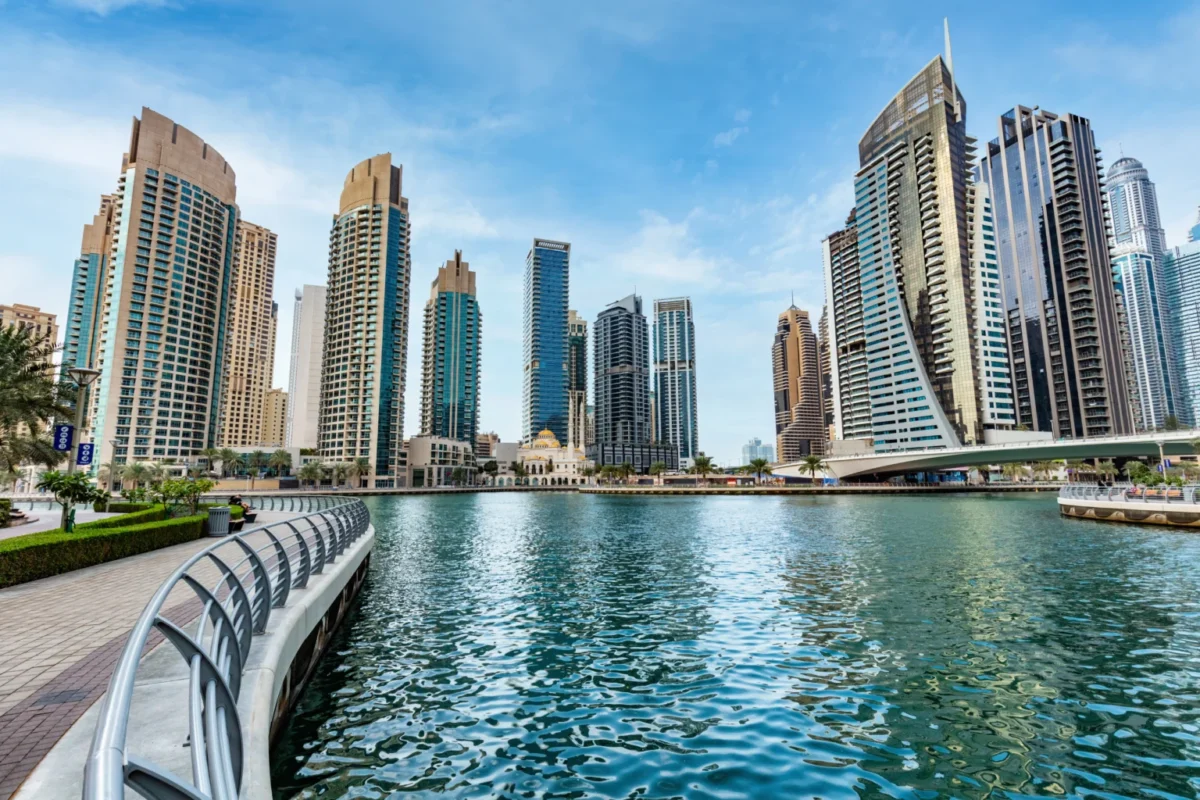
The initial shock did trigger a brief moment of volatility. Berk notes that in the immediate aftermath of the first strikes, there were small clusters of panic at petrol stations and supermarkets.
“It was a reaction to the shock, nothing more,” he says. “Today feels like any other day. Not a single shelf is empty.”
He points out that while hotels have implemented special security protocols for tourists, the resident population has largely moved past the initial alarm. The presence of international military support also serves as a psychological buffer.
“Iran targeted several countries, but the UAE seems to be the safest and least affected among them,” Berk explains. “There are advanced military systems here provided by the US and the UK. Furthermore, the Iranian authorities stated they were specifically targeting US bases, not the civilian population. So far, the public hasn’t been the primary target of this conflict.”