Opinion: Time for Turkey to return to Europe by Selim Kuneralp • (Medyascope Contributor)
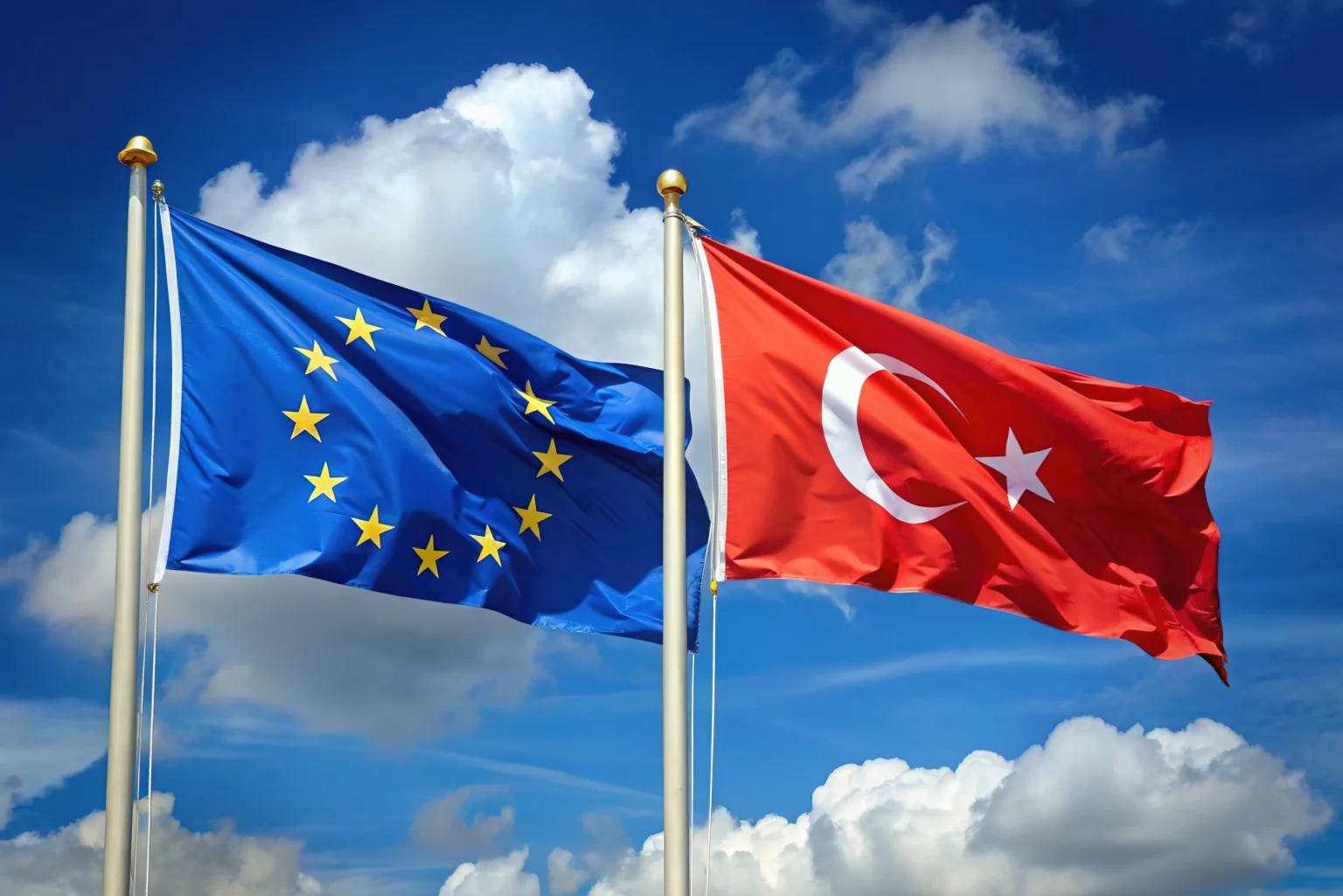
For the past decade, relations between the European Union and Turkey have been frozen. Accession negotiations have been suspended; authorization requested by the European Commission to begin negotiations on the modernization of the Customs Union has also been pending for almost a decade. Ten years have passed since the two-month deadline requested by then-Prime Minister Davutoğlu on March 18, 2016, to meet the criteria for visa liberalization for Turkish citizens traveling to Europe. Although we occasionally hear statements from the Foreign Ministry saying that work is underway to meet these criteria, no visible progress has been made. Institutionally, relations are also frozen. The Association Council and the Joint Parliamentary Committee have not met for years, and while the Foreign Minister used to be invited to informal ministerial meetings at least twice a year, these invitations are now only made occasionally and incidentally. Although contacts do still occur between Turkish and EU authorities from time to time, they are not particularly satisfactory in terms of content and level.

Opinion: Time for Turkey to return to Europe
Cyprus and unresolved divisions
There are two primary reasons for this situation. The first is that our country has moved away from democracy and the rule of law, particularly in the aftermath of the coup attempt of July 15, 2016; the second is that it is increasingly distancing itself from the EU on issues such as secularism and the separation of religion and state, which form the basis of EU values. To make matters worse, the Cyprus issue remains unresolved.
One of the things that is overlooked in our country is that not only the Southern but also Northern Cyprus are considered as parts of the EU, as dictated by the Accession Treaty signed by Cyprus in 2003 which entered into force in 2004. Like the rest of the world, the EU sees the Republic of Cyprus, referred to by Turks as the Greek Cypriot Administration (GCA), as the sole legitimate representative of Cyprus. According to the Accession Treaty, the North is also part of the EU, but because the EU does not recognize the Northern Cypriot administration, EU legislation does not apply there. Indeed, except for immigrants from mainland Turkey, citizens of the Turkish Republic of Northern Cyprus (TRNC) are automatically considered citizens of the Republic of Cyprus, and therefore of the EU. Admitting Cyprus to the EU before the Cyprus problem was resolved was a huge mistake, but unfortunately, the responsibility for this mistake was shared by both sides. Although the Annan Plan was accepted by Turkish Cypriots and Turkey in April 2004, its rejection by the Greek Cypriots did not prevent Cyprus from joining the EU. This was, of course, the EU’s fault. However, various versions of the Annan Plan were rejected by the then-leaders of Turkey and the TRNC during negotiations in 2001-2002. If the vote on the Annan Plan had occurred before the Accession Treaty was signed on April 14, 2003, it would have been part of the treaty and its rejection by the Greek Cypriots would not have been possible, because rejecting the plan would have meant rejecting EU accession.
But what happened, happened, and it has become irreversible. If a solution to the Cyprus problem were to be sought today, it would be necessary to consider not only the United Nations parameters that formed the basis of the Annan Plan, but also EU legislation. This would, of course, be a very difficult pill to swallow; long-term restrictions on movement between regions envisioned in the Annan Plan would be contrary to EU legislation.

Eastern Mediterranean disputes and geopolitical tensions
Following Cyprus’s EU membership, all attempts at a solution failed due to the perception that the Greek Cypriots held all the cards. Consequently, Turkish and TRNC authorities tried to develop a two-state solution thesis. However, this thesis was not accepted by either the EU or the Turkic world countries, the latter of which are typically allies to Turkey. Last year, the victory of the opposition candidate in the TRNC presidential elections led to hopes that the stance would change and negotiations could resume. However, these expectations were not met, and the two-state formula, which the EU has repeatedly stated it will not accept, continues to be live on. In 2019-2020, the Maritime Border Agreement aimed at oil and gas exploration in the Eastern Mediterranean led to new controversy, and was deemed invalid by the EU for allegedly disregarding the rights and interests of regional countries. The agreement, developed with Libya, never entered into force.
As a result of these crises, dialogue with the EU broke down in many areas, but partially resumed after Turkish ships tasked with oil exploration were withdrawn from disputed waters. However, a return to the pre-2016 situation was not possible. Just last week, an agreement was announced between the Greek Cypriot administration and the US-based Chevron company for seabed exploration in the Eastern Mediterranean. The fact that this announcement prompted only a muted reaction from Turkey can be seen as a sign that new crises are being avoided. This, however, is not enough for the normalization of relations.
Opinion: Time for Turkey to return to Europe
Shifting Turkey–US relations and leadership dynamics
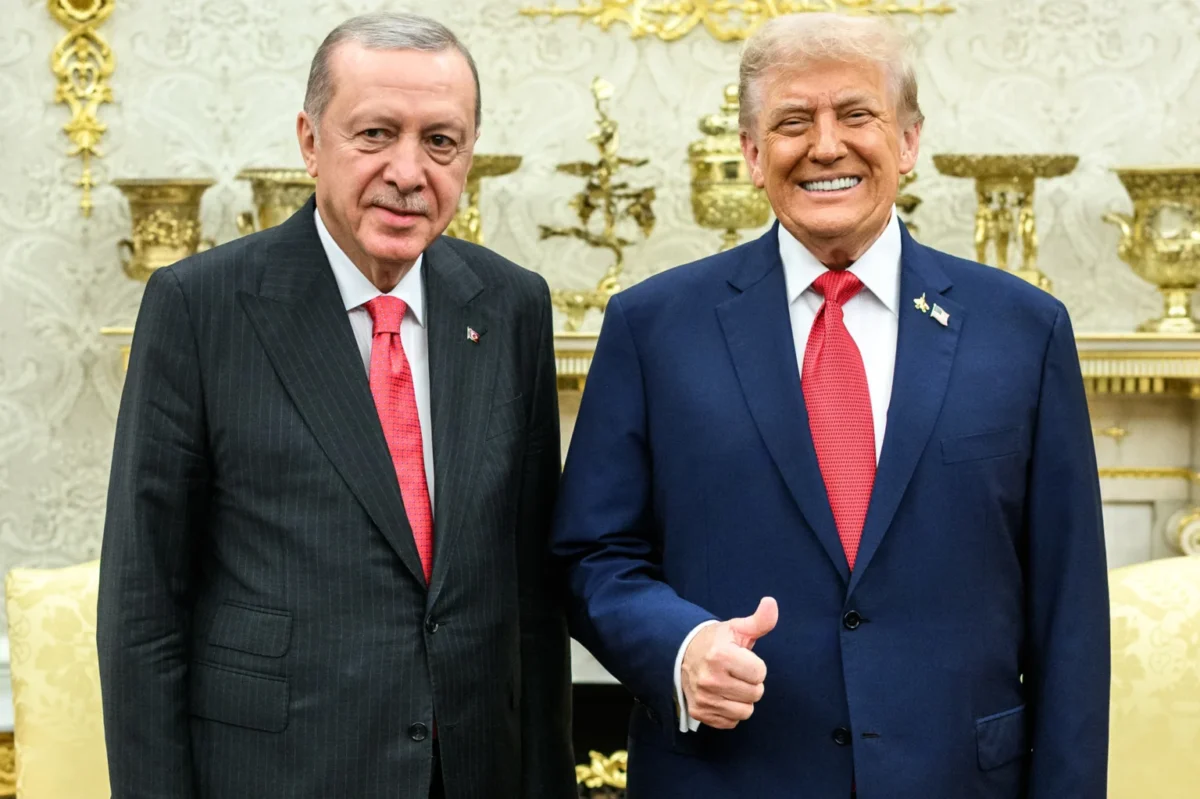
As relations with Europe remain frozen, the Turkish government has turned its attention to Trump, who first entered the White House in early 2017. Trump’s first term was full of ups and downs. The “Be smart” open letter — released by Trump in 2019 amidst Turkish threats to launch an offensive against Kurdish forces in Northern Syria — remains etched in our memory. However, one unique characteristic of Trump is his lack of interest in the democratic and rule of law performance of the leaders he interacts with. Furthermore, he appears to have shown no interest whatsoever in the Cyprus issue.
In this respect, apart from the episode involving Pastor Andrew Brunson, Turkish-US relations experienced few difficulties during Trump’s first term. Biden’s victory in the 2020 elections was received by some in Turkey with disappointment. Nevertheless, apart from Biden’s failure to invite our country to the democracy forums he organized, Turkish-US relations experienced no major crises during his term. In the middle of Biden’s term, Russia’s attack on Ukraine drew attention to Turkey’s strategic location, and this was prioritized in both EU and US relations.
Nevertheless, Trump’s return to the White House has led to new expectations in Turkish government circles; for some, it was met with joy. As everyone knows, Trump’s second term has been quite different from his first. Instead of the experienced individuals who had limited him in his first term—the so-called “adults in the room”—he surrounded himself with people bound only by loyalty and who approve of every irrational idea he has. Nevertheless, despite key differences on the Gaza issue, the support Trump gave to Israel has not seemed to harm relations with Turkey. On the contrary, our country was one of the few that joined the Board of Peace established by Trump, whose actions are highly unpredictable and whose compliance with international law is up for debate. However, Trump’s increasingly irrational approach, his disregard for the concept of law, and his view of his personal will as the sole guiding principle have led to a complete departure from the usual course of US policy. We first saw this in the kidnapping of Venezuela’s not-so-popular leader Maduro and his wife for trial in the US. Following that, we witnessed the senseless attack on Iran, lacking any serious preparation, a clear objective, or an exit strategy. Given that Trump changes his mind daily, it is unclear how long this war will last, as it continues to shake the entire global economy and turn our region upside down. The Turkish government is likely bewildered as it tries to find logic in his actions. However, Trump’s closure of the years-running Halkbank case was a great gift to the Turks, and his use of flattering language at every opportunity naturally pleases Turkish authorities and their inner circle.
NATO, European security, and alignment challenges
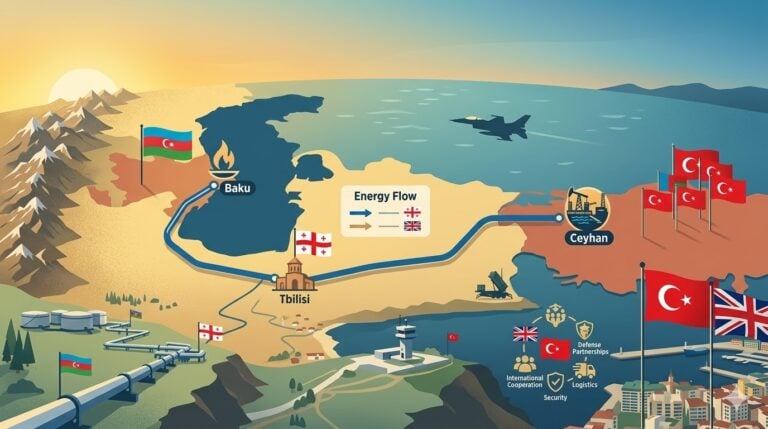
Meanwhile, the fact that Iran’s repeated missile attacks on Turkish soil were thwarted by US forces under the NATO flag has increased interest in NATO in our country domestically. It is quite interesting that the alliance, of which we are one of the oldest members, enjoys the support of more than 60% of the public despite the misinformation spread in both right-wing and left-wing media. Then came news about the multilateral NATO headquarters to be established in Adana and the Bosphorus. We learn from my esteemed colleague Fatih Ceylan that the establishment of these headquarters was planned long before the war. Nevertheless, even if it is a coincidence, this development is a positive one. In the press reports, I noticed that the work on establishing a headquarters on the Bosphorus would be contributed not by a US officer from NATO’s largest army, but by high-ranking British and French officers.
This may also be a coincidence, but considering Trump’s opposition to NATO on the grounds that it does not serve US interests, it may not be a coincidence at all. In any case, Europeans (I used the name United Kingdom because it also plays an important role, even though it is no longer an EU member) have begun to feel compelled to take their defenses into their own hands. Our country is naturally striving to be a part of this new equation. However, for the reasons mentioned above, our frozen relations with the EU prevent us from playing an effective role.
For the aforementioned reasons, I fear that expecting progress on the Cyprus issue is a pipe dream. In the current environment, it is also unrealistic to expect the structural reforms necessary for compliance with the Copenhagen political criteria, which the EU expects of accessing members and which bind all member states and candidates.
However, one step is not too difficult to take. At the EU summit in June 2025, when the issue of non-EU countries participating in military industrial development projects was discussed, the decision was made that these non-EU countries should be like-minded, sharing the same foreign policy and security objectives as the EU. Of course, this concept lacks a concrete definition. However, we saw in the Commission’s latest annual Turkey report that our country does not meet this definition, as it participates in only 4% of the EU’s common foreign policy positions. Looking back, I remember periods when this figure exceeded 80%. Raising the current rate from 4% requires nothing more than political will and could be an important sign of our country’s desire to return to Europe. While this step alone would not be enough to normalize relations, it would certainly attract attention as a declaration of intent.

Opinion: Time for Turkey to return to Europe by Selim Kuneralp
Selim Kuneralp held senior roles in Turkey’s Ministry of Foreign Affairs. He was ambassador to Sweden (2000–2003) and South Korea (2003–2005), and led the European Union General Directorate.
He later served as Director General for Policy Planning (2006–2007) and Deputy Undersecretary for economic affairs (2007–2009). From 2009 to 2011, he was Turkey’s Permanent Representative to the European Union.
Translated by Leo Kendrick for Medyascope