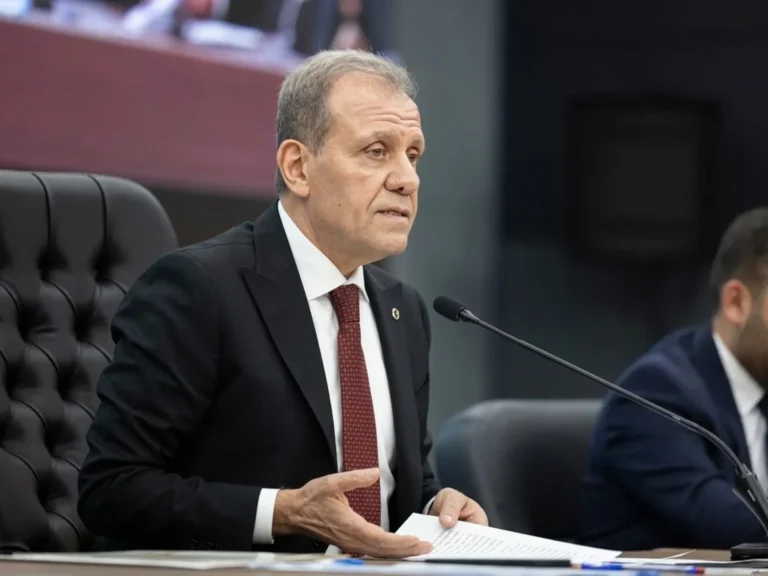
ISTANBUL (Medyascope) – Anastasia Burakova (founder of The Ark), Russian opposition politician Andrey Pivovarov, and OVD-Info spokesperson Dmitri Anisimov spoke to Medyascope about the challenges of being an opposition figure—both in Russia and in exile—as well as the Putin regime and the state of the opposition.
By Emir Berke Yaşar • Medyascope
The Ark is an initiative aimed at supporting Russian dissidents living in exile who oppose Russia’s full-scale invasion of Ukraine. OVD-Info is an independent human rights monitoring and legal support initiative that documents political repression, detentions, and violations of freedom of expression and assembly in Russia.
According to Anastasia Burakovaas, Andrei Pivovarov, and Dmitri Anisimov, being an opposition figure in Russia is no longer merely a political choice; it entails the risk of losing one’s job, facing detention or criminal prosecution, having one’s family subjected to pressure, being forced to leave the country, or living under threat even while in exile.
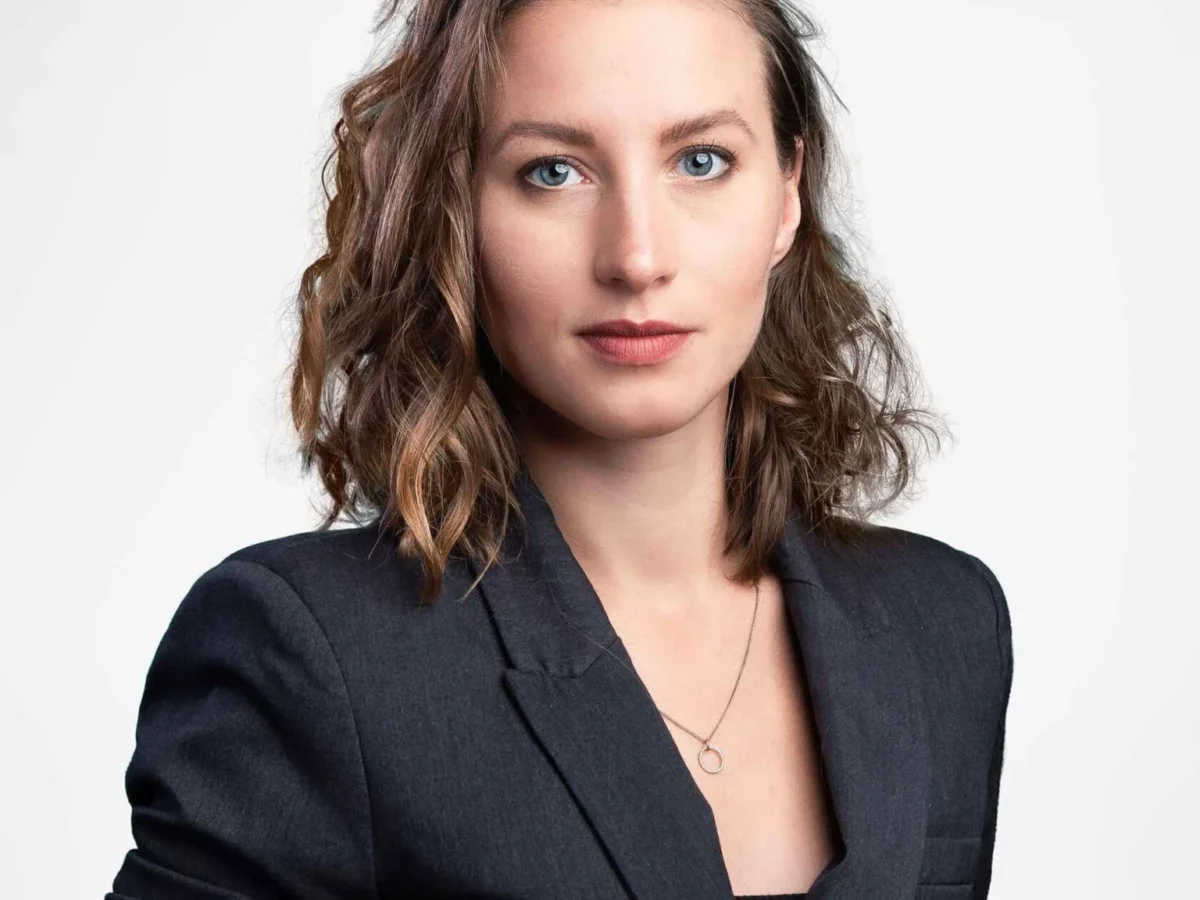
Anastasia Burakova: 8-year prison sentence for anti-war speech
Speaking to Medyascope, Anastasia Burakova explained how human rights work in Russia became increasingly intertwined with the threat of criminal prosecution, particularly from 2021 onwards. Burakova stated that she handled cases involving freedom of expression, freedom of assembly, and labor rights, and defended journalists, independent media outlets, and politicians in politically motivated cases:
“I am a human rights lawyer. Since 2016, I have worked in Russia on issues regarding freedom of expression, freedom of assembly, and labor rights; I defended journalists, independent media, and politicians against politically motivated cases. Between 2019 and 2021, I coordinated the human rights department at Open Russia. I was also a co-founder of United Democrats, an initiative supporting independent candidates. Through this work, approximately 400 independent candidates won seats across four regions.”
For Burakova, the turning point came with the arrest of Andrey Pivovarov in May 2021. Following Pivovarov’s arrest, figures associated with Open Russia faced interrogations by the Investigative Committee, threats of criminal prosecution, and the stigma of being labeled an “undesirable organization”:
“By 2021, the space for legitimate human rights work had effectively closed. My organization had been declared ‘undesirable,’ meaning that continuing the very activities I had performed for years could now lead to criminal charges. After Pivovarov’s arrest, the Investigative Committee summoned me for questioning. The investigators hinted that there was still a way out for me. We continued working for another two months, but it became clear that staying meant facing arrest.”
Following Russia’s full-scale attack on Ukraine, the country became a place of no return for Burakova. Today, Burakova says that she had been designated a “foreign agent” and has been sentenced in absentia to more than eight years in prison for her anti-war speech.
“A single social media post can lead to losing your job”
Burakova explained that opposing the war while in Russia means living under a multi-layered system of repression. Since February 2022, more than 20,000 people have been detained for making anti-war statements or participating in peaceful protests, and at least 1,200 have faced criminal charges:
“The legal framework was specifically designed to criminalize dissent: charges such as ‘discrediting the Armed Forces,’ ‘spreading false information about the Armed Forces,’ and ‘calling for sanctions,’ alongside broader categories like ‘foreign agent,’ ‘undesirable organization,’ and ‘extremist.’ In 2024 alone, 114 criminal cases were opened under the ‘extremism’ label; 70 of these were related to anti-war comments.
The daily cost is immense. People lose their jobs over a single social media post. Their children face pressure at school. Journalists and lawyers are subjected to raids. Family members are interrogated. The legal system offers no real defense either; in political cases, courts deliver conviction rates approaching one hundred percent.”
One of the Kremlin’s most potent weapons is “engineered apathy.” Burakova noted that for twenty years, the regime has sent a message to society: “Don’t get involved; leave these matters to those in power.” Despite this, there are still people in Russia who write anti-war messages on banknotes, as well as independent municipal councilors and lawyers who defend political prisoners.
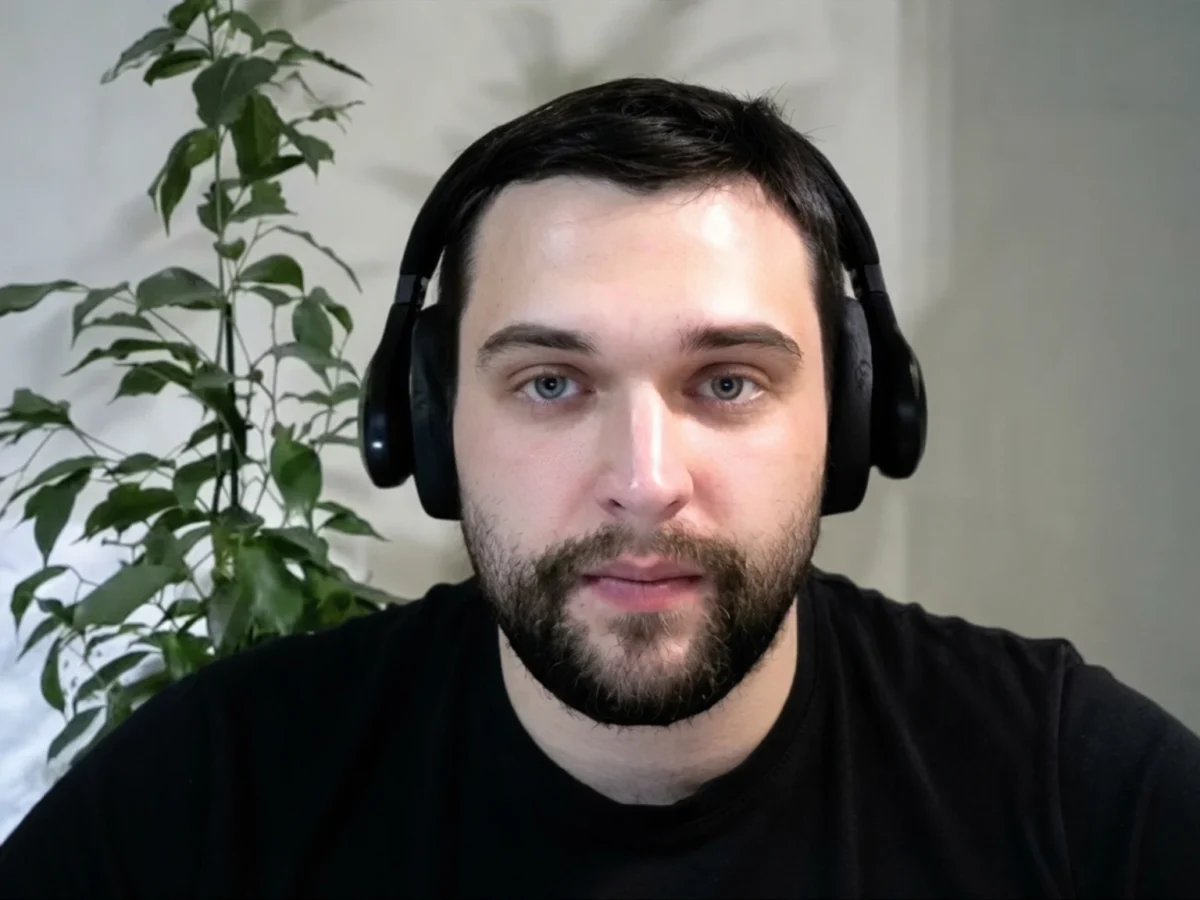
Anisimov: “Repression didn’t start with the war; it intensified with it”
OVD-Info spokesperson Dmitry Anisimov explained that political repression in Russia did not begin on February 24, 2022. According to Anisimov, the Bolotnaya protests, the 2019 Moscow case, prosecutions against Navalny supporters, and cases brought against Jehovah’s Witnesses and Crimean Tatars were all part of a pre-war system of repression, and that this repression escalated following the war in Ukraine.
OVD-Info itself became a target of this system of repression. Established in 2011 to assist those detained during protests, OVD-Info began providing support to individuals prosecuted for anti-war statements after the war began, as well as to those targeted for alleged links to “undesirable” or “extremist” organizations. In June 2026, OVD-Info was designated an “extremist organization”:
“This decision effectively rendered our operations within Russia illegal. Any interaction with OVD-Info can now serve as grounds for criminal prosecution. Consequently, we were forced to terminate our cooperation with lawyers inside Russia and suspend our humanitarian aid program for political prisoners. Despite this, our legal aid hotline continues to operate.”
4,815 political cases, 2,174 political prisoners
Anisimov stated that criminal investigations or politically-motivated prosecutions are currently being conducted against 4,815 individuals in Russia, and that 2,174 of them are currently imprisoned. This figure is significant for understanding the function of repression:
“The state does not need to punish everyone; a few protesters and harsh sentences suffice to send a message to the rest of society. Russian authorities do not need to prosecute everyone who engages in political activity. That is neither cost-effective nor practical. Instead, by handing down demonstratively harsh sentences to a relatively small number of people, they show everyone else what could happen to them if they oppose the regime. The central function of political repression is to intimidate civil society.”
Almost all prominent opposition politicians have either been forced to leave Russia or are imprisoned as a result of political prosecutions. According to data from OVD-Info, 157 politicians have faced politically-motivated prosecution since 2012; today, 119 politicians are facing politically motivated charges. In addition to these figures, Anisimov noted that Alexei Navalny—one of the most popular opposition figures—died in prison following attempts to poison him:
“Russia’s most well-known opposition politician, Alexei Navalny, was tried in eight politically motivated criminal cases. He survived several poisoning attempts, including one that nearly killed him. He was killed in February 2024 while serving his sentence in a high-security penal colony above the Arctic Circle.” Anisimov highlighted that the primary charges pressed by Russian authorities include spreading “fake news” about the Russian army, participating in an “extremist group,” inciting or justifying terrorism, involvement in a terrorist organization, and “discrediting” the Russian military; he explained that legal rulings in Russia are issued to provide a justification for political decisions:
“The risks depend on the specific circumstances of each incident. In many cases, it is impossible to assess them with certainty. Political repression in Russia is driven not by the law itself, but by political decisions. Once a decision is made, the authorities select one of the available legal tools to justify it.”
According to Anisimov, this uncertainty is just as significant as the repression itself, because an ordinary citizen cannot know in advance which of their statements might result in a fine or a criminal case, or which social media post could lead to a home raid or the interrogation of family members. Consequently, the law ceases to be a predictable framework governing citizens’ behavior and instead becomes a retrospective cover for political decisions:
“Today in Russia, almost all forms of anti-war expression are banned. Public criticism of the authorities or the president, statements supporting Ukraine, and the dissemination of information not originating from official state sources can lead to prosecution.”
Health issues in prisons
Anisimov stated that political prisoners are not officially classified as a distinct category in Russia and are often held under the same conditions as the general prison population—conditions that can range from very poor to inhumane. He noted that problems regarding food, clothing, bedding, healthcare, and hygiene are widespread in the prisons:
“Russia’s prison system suffers from a chronic lack of resources. Food is poor and insufficient; basic necessities such as clothing and bedding are often in short supply. Minor health issues can rapidly escalate into serious conditions due to inadequate care. In most cases, the only treatment prison authorities are willing to provide consists of cheap painkillers. A significant portion of the money sent to prisoners by families or supporters may be deducted to cover prison expenses. Staff shortages can even affect the most basic right to hygiene; for instance, prisoners’ weekly access to bathing facilities may be cancelled due to a lack of sufficient guards.”
Pivovarov: Prison, prisoner swap, exile
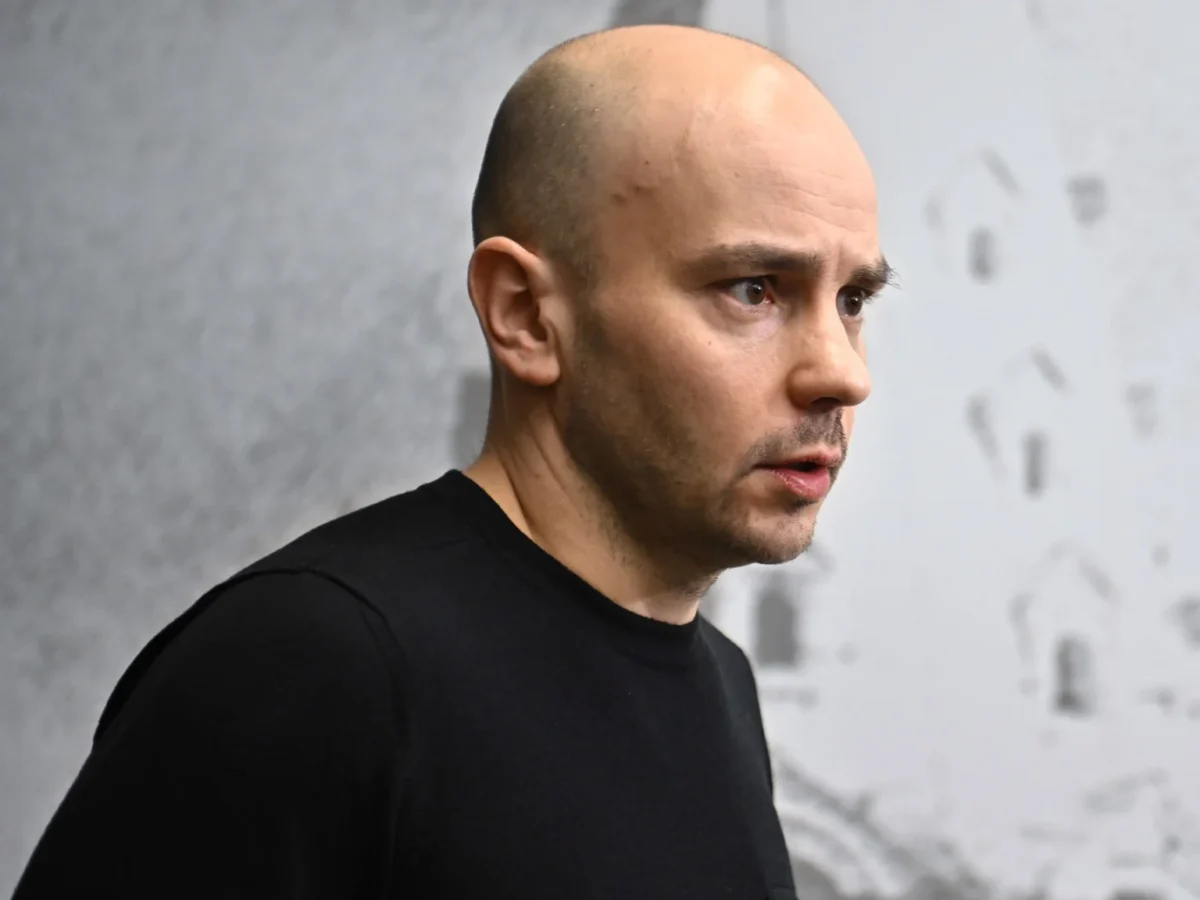
Andrei Pivovarov described how he views opposition politics within Russia not so much as an organized movement capable of toppling the government in the short term, but rather as a struggle to preserve the sense that an alternative exists within society. He explained that, during his time leading Open Russia–organization had branches in nearly half of Russia’s regions and several thousand members–they assisted civic activists, participated in elections, and ran educational programs:
“I was arrested in May 2021 after announcing my candidacy for the State Duma elections. I spent three years and three months in prison and was released in August 2024 as part of a prisoner exchange. Now, I participate in the work of the Anti-War Committee, run a human rights project called ‘Consuls,’ and work on anti-propaganda and human rights initiatives aimed at audiences inside the country.”
Pivovarov described how new laws punish actions against the Putin regime far more severely than in the past:
“In the past, a person might face, at worst, a few dozen days of detention for a one-person protest or a rally. Now, we are talking about years. People are being sentenced to ten years or more in prison for participating in an organization that could be designated as ‘extremist’ or ‘terrorist.’”
Under these conditions, protest often does not take the form of open demonstrations; It manifests itself through refusing to aid the war effort, silently rejecting the regime, commemorating political prisoners, and engaging in low-risk acts of civil dissent:
“In many cases, we see people retreating into internal exile. Today, protest is less about actively demonstrating against current events and more about withholding support and refusing to facilitate them. We know that a great many people are voting against the regime in various silent ways, even if they do not express it publicly.”
Pivovarov stated that while changing the regime through elections is impossible in Russia—given the authorities’ total control over the electoral process—elections do create a limited space that can be used to make the anti-war agenda visible and cause trouble for the ruling power:
“Regime change via elections is not possible; the authorities have complete control over the process. However, elections can be viewed as an opportunity for public discontent to rise. In these elections, our goal should be to create as many problems as possible for the ruling power by asserting our own agenda—specifically, the anti-war agenda.”
“Putin’s social contract has collapsed”
Pivovarov said that the Putin regime survived for many years with the promise of “leave the politics to us, and we’ll provide a stable future”, and that the war and economic problems broke this social contract:
“For a long time, the Putin regime was founded on the promise of stability. The main thing it promised people was: leave the politics to us, and we’ll provide a stable future. I’ll take away some of your rights, but it won’t bother you. Now this social contract has collapsed.”
Pivovarov stated that the society, and especially the elites, began to see Putin as a problem, not as a guarantor of stability, and that the regime became based on propaganda and pressure:
“There are two basic elements on which the Putin regime is based today. The first is a very powerful propaganda machine. The second is, of course, repression. At the moment the repression is not completely massive, but demonstrative and brutal. Everyone in society understands that as long as you remain silent, everything will most likely be fine. As soon as you express your civic position, especially if you speak against the regime, you will encounter serious problems that cannot be solved.”
Pivovarov stated that the war has now entered the lives of those who were previously apolitical, and that daily disruptions such as internet blocks, communication restrictions, fuel problems, bank card and taxi problems have increased the feeling that the war is not a distant event:
“The war has now come directly to their homes. For now, it may only be about not being able to call a taxi, pay with a bank card or buy fuel for the car. But now they feel it themselves.”
Pivovarov said that this change does not mean that the pro-war core has completely dissolved. However, he stated that the feeling of “let all this end” is growing in apolitical segments that do not benefit directly from the war, but whose daily lives are disrupted. He stated that the duty of the opposition is to connect this discontent with an anti-war and rights-based language.
Exile: Safer, but not totally safe
Leaving Russia does not mean the end of repression. Burakova discussed how the Kremlin exerts transnational pressure through bilateral extradition treaties and wanted-person mechanisms used across the former Soviet region:
“Being outside Russia is safer than being inside, but it is not safe. The Kremlin reaches beyond its borders using both legal and extra-legal means. Once your name enters these databases, you can be detained almost automatically in any of the former Soviet countries.”
Examples cited by Burakova include Lev Skoryakin, who was abducted in Bishkek and handed over to Russian authorities; Alexey Rozhkov, who was forcibly returned from Kyrgyzstan; and army deserter Dmitry Setrakov, who was abducted by Russian military personnel in Armenia. Burakova also reported that thousands of instances of “silent entry denials” have occurred in Georgia. Burakova described the digital and familial dimensions of the repression as part of life in exile:
“Dissidents face phishing attacks, online harassment, surveillance, and threats against family members remaining in Russia. Consequently, engaging in politics while in exile becomes not just a matter of speaking out publicly, but also an issue of security, legal status, passports, and protecting one’s family.”
Pivovarov noted that dissidents in exile face risks such as the inability to obtain documents or renew passports, the freezing of bank accounts, the confiscation of property in Russia, and various attacks and threats:
“We are certainly much freer here. We can speak openly, support initiatives, and organize activities within the country. Yet, we feel the pressure here as well. Transnational repression is a particularly painful tool. Through it, the Kremlin intimidates those capable of voicing their stance. Even a small number of attacks, threats, or lawsuits serve as a reminder to dissidents in exile that the regime is watching them. Therefore, while the space outside Russia offers dissidents greater freedom to operate, it does not constitute a completely safe environment.”
The opposition in exile and the aftermath of Putin
Burakova explained with Kovcheg’s survey data that the anti-war immigrants who left Russia were not a silent exile community:
“According to Kovcheg’s surveys, 82 percent of recent immigrants left the country for political reasons, and 95 percent want to influence the situation in Russia from abroad. This is not a silent exile community. It works in several layers. The Ark/Kovcheg, Get Lost, Conscientious Objectors’ Movement and OVD-Info provide shelter, legal aid and evacuation support. Media structures such as Meduza, Dozhd, Novaya Gazeta Europe, Verstka and iStories It produces journalism that no longer exists within the country.”
The Ark was founded to provide shelter, legal advice, psychological support and community to people who fled their country in panic in the early days of the war. Burakova said that they supported more than 220,000 Russian-speaking anti-war activists over the past four years.
Exiled Russian dissidents work not only for Russia but also for Ukrainians. Burakov talked about the networks that help forcibly removed Ukrainian civilians to return to their homes, the initiatives that search for kidnapped children, and the human rights defenders who work for Ukrainian prisoners of war and civilians:
“There are volunteers inside and outside Russia who help forcibly removed Ukrainian civilians return to their homes. There are networks searching for kidnapped Ukrainian children. Human rights defenders are searching for Ukrainian prisoners of war held incommunicado and Ukrainian civilians detained without justification in Russia.”
Burakova’s emphasis for the post-Putin era is preparation. Totalitarian regimes can collapse unexpectedly, he says; Therefore, a democratic, legal and institutional alternative needs to be prepared in advance:
“Totalitarian regimes collapse unexpectedly, and our task is to be ready when that moment comes. Realistic scenarios for collapse are not single triggers, but combinations of factors: a shock at the front or accumulating war fatigue, a deepening economic crisis, paralysis or division of the elite, a succession event. At such a moment, Russia will need a ready alternative.”
For Burakova, the main issue is not only how the Putin regime will end, but what will be established after it. Drawing attention to the risk of the old ruling cadres simply being replaced after 1991, Burakova sees education, law, media and solidarity networks in exile as parts of the future institutional alternative.
The post-Navalny Russian opposition
It would be a mistake to view the Russian opposition following Alexei Navalny’s death solely through the lens of a search for a single leader, according to Burakova. He noted that while Navalny had engaged diverse segments of Russian society in politics, democratic politics is inherently pluralistic:
“Seeking the ‘next Navalny’ is a flawed strategy—much like the notion that politics requires a single, irreplaceable figure. True democratic politics is pluralistic. Following Navalny’s killing, his team continued their work. Yulia Navalnaya has assumed a public role on the international stage. Figures such as Vladimir Kara-Murza and Mikhail Khodorkovsky, along with the Anti-War Committee, independent media projects, human rights organizations, and hundreds of grassroots initiatives, are all part of this future democratic landscape.”
According to Burakova, the Kremlin is attempting to erect a wall between society inside Russia and the opposition in exile through foreign agent laws, internet restrictions, and the criminalization of contact with “undesirable” organizations. Despite this, Burakova stated that the majority of Kovcheg’s audience remains within Russia.
Elites and oligarchs
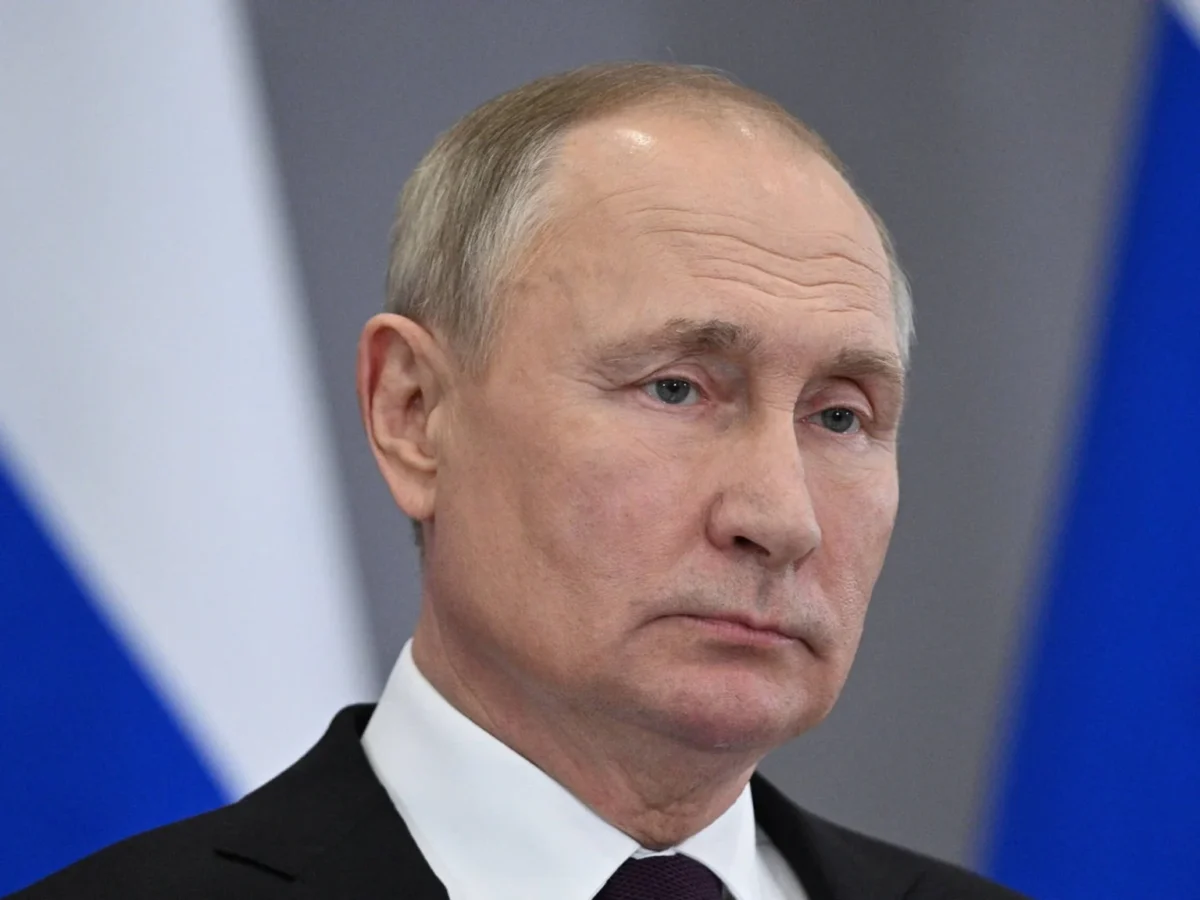
Pivovarov expects that a rift among the elites could catalyze significant change within the Putin regime; however, he noted that this rift would not manifest as a simple division between war opponents and war proponents. Instead, the primary tension might arise from the redistribution of assets and the need to normalize relations with the West:
“Russia is experiencing a massive wave of nationalization: major assets are being seized from individuals who are neutral or less loyal and transferred to those closer to the regime. We are talking about billions, even tens of billions, of rubles. Naturally, this is causing serious anxiety among businesspeople and the elites.”
According to Pivovarov, this process serves as a political message to the elites: property is no longer protected by the rule of law, but by loyalty. Consequently, discontent within the elite ranks is likely to grow not out of a democratic objection to the war, but rather from a desire to protect wealth, normalize relations with the West, and secure their futures:
“The absence of a functioning judicial system or any guarantees regarding property rights, combined with the inability to leave the country and freely move assets—all of this unsettles the elites. This is where genuine discontent could emerge. Unfortunately, it remains quite controlled for now, but time is ticking.”
According to Pivovarov, oligarchs in the classical sense have largely lost their function. Putin’s tight inner circle left over from the St. Petersburg era—figures such as the Kovalchuks, the Rotenbergs, Roman Abramovich, Sechin, and the Ozero group—remain influential, but big capital is no longer an independent political actor:
“If we speak of big business as a whole, Putin views it primarily as a cash cow and is unlikely to take its views seriously. Oligarchs, in the form defined by the traditional economic model, no longer exist.”
The fact that a portion of the new managerial cadre hails from the security apparatus also indicates a narrowing of the system. Noting that Putin’s pool of potential successors is limited and that he trusts only those he knows personally, Pivovarov stated that this increases both the regime’s strength and its fragility.
The accounts provided by Burakova, Pivovarov, and Anisimov demonstrate that repression in Russia serves not only to punish dissidents but also to remind everyone else that they must remain silent. Being a dissident in Russia entails more than merely expressing a political opinion; it means facing the full force of the state’s repressive apparatus.
Russian dissidents say the social contract collapsed under Putin | By Emir Berke Yaşar | Translated by Leo Kendrick | Edited by Medyascope English Newsroom